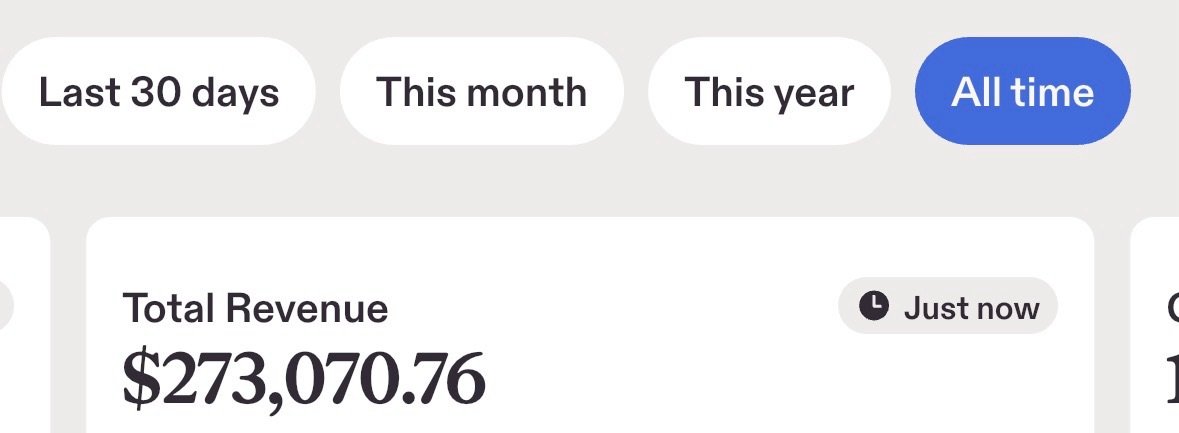
After more than nine years selling on Etsy and over a quarter million dollars in shop sales, I have learned that the best Etsy keyword research usually starts closer to the buyer than to a paid tool.
Keyword tools can be useful. I am not against them. But I would not tell a new seller they need another monthly bill before they can make a listing easier to find.
The useful question is not, “What is the biggest keyword?”
It is, “What would somebody type when they are looking for this exact item?”
That sounds simple, but it changes everything. It keeps you from using phrases that sound impressive but do not describe what you sell. It also helps you find the longer, more specific searches where buyers already know what they want.
If you understand how Etsy search works for beginners, keyword research becomes less mysterious. You are giving Etsy clear ways to match your listing to the right shopper. You are not trying to trick the search system.
Start With the Product, Not the Keyword
Before I search for ideas, I write down what the product actually is.
I mean the exact item, not the broad category.
“Jewelry” is too broad. “Hand-stamped birth flower necklace” is specific.
“Wall art” is too broad. “Printable neutral nursery animal wall art set” is specific.
“Digital planner” is too broad. “Undated printable weekly meal planner” is specific.
The more clearly you describe the product first, the easier it is to spot relevant buyer phrases later.
I usually break the product into a few simple parts:
- The item itself.
- The material, file type, style, or format.
- The person it is for.
- The occasion or problem it solves.
- The personalization or unique detail.
- The words that separate it from similar items.
For a custom leather keychain, those words might include personalized keychain, engraved keychain, leather key ring, custom name keychain, anniversary gift, husband gift, or groomsmen gift.
Not every phrase belongs on every listing. The point is to create a starting pile of honest possibilities.
Use Etsy Search Suggestions Like a Buyer Would
Etsy’s search bar is one of the best free places to start.
Type the most obvious product phrase into the Etsy search bar and pay attention to the suggested searches. Those suggestions can show you how shoppers commonly finish the phrase.
If you sell engraved cutting boards, start with “engraved cutting board.” You may see suggestions related to weddings, anniversaries, housewarming gifts, recipe boards, or personalized family gifts.
Those suggestions are not a promise that every phrase will be easy to rank for. But they are useful because they come from the kind of language Etsy buyers are already using.
I do this slowly. I try a few versions of the same basic product:
- Start with the item name.
- Add the recipient.
- Add the occasion.
- Add the material.
- Add the style.
- Add the problem or purpose.
- Add the personalization type.
You are looking for phrases that are both relevant and natural. A phrase does not help if it brings in somebody who wants something completely different.

Look at the Listings Already Ranking, but Do Not Copy Them
I always search Etsy like a buyer before I write a listing.
I want to see how shoppers are describing similar products and what the results look like. That helps me spot the obvious language that buyers expect to see.
But I do not copy another seller’s title, tags, or description.
Copying does not give you an advantage, and it can make your listing sound exactly like everyone else’s. It also keeps you from thinking through what makes your product different.
Instead, I look for patterns:
- What product words appear again and again?
- What details do the strongest listings make clear?
- Which buyer types or occasions show up repeatedly?
- Are shoppers looking for a physical product, a digital download, a personalized item, or a ready-to-ship gift?
- What does my product offer that those listings do not explain well?
Maybe every listing says “teacher gift,” but very few make clear that the item can be personalized with a school name. Maybe the search results are full of physical products, which tells you a digital item needs to say “instant download” plainly so buyers are not confused. You can apply those distinctions while drafting with these Etsy listing prompts for clearer details, especially when a listing needs to clarify personalization or digital delivery.
Competition is information. I use it to understand the search, not to become a slightly worse copy of the sellers already there.
Read Your Own Shop Stats Before Guessing
Once a shop has some traffic, Shop Stats become one of the most useful free keyword tools you have.
I would rather know what real buyers used to find my actual listings than chase a generic keyword score from a tool that does not know my shop.
Look at the search terms bringing people in. Then ask:
- Is this search relevant to the listing?
- Did the search lead to views only, or did it lead to favorites and sales?
- Do I use this phrase accurately on other relevant listings?
- Is the phrase too broad for the product?
- Does it reveal a new product idea or a better way to describe an existing one?
A buyer search term can teach you something important even when it does not produce a sale. It may show that your title is attracting the wrong shopper. It may also show a missing phrase that belongs naturally in your tags, title, or description.
The key is not to stuff every phrase you find into every listing. Use the data to make a more accurate match.

Use Your Best Listings as a Clue
Over the years, I have paid close attention to the listings that keep getting found.
Those listings can reveal patterns that are easy to miss when you are only staring at a new item.
I compare a stronger listing with a weaker one and look at more than tags. I look at the full offer.
Is the better listing aimed at a clearer buyer? Does it solve a more specific problem? Does the title describe the product more plainly? Is the first photo easier to understand? Does it fit a gift occasion or a search that has clear purchase intent?
Sometimes a weak listing does not need “better SEO.” It needs a better product angle.
For example, a generic printable calendar may be hard to describe because thousands of similar items exist. A printable cleaning schedule for busy parents, a homeschool calendar, or a caregiver appointment planner gives the buyer a clearer reason to search and choose it.
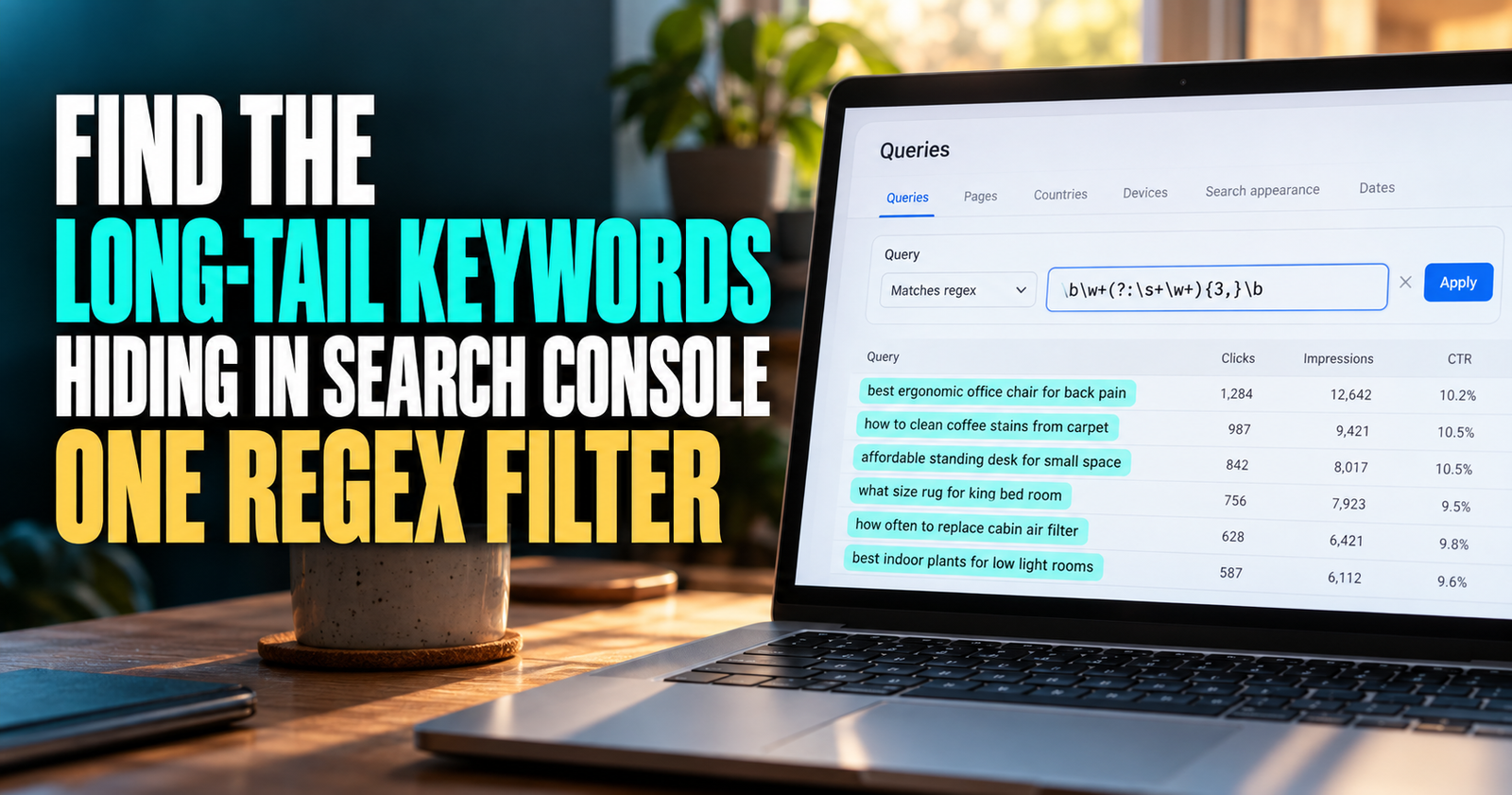
This is the same reason I prefer long-tail keyword research in Search Console for websites. Specific language often reveals a specific need, and specific needs are easier to serve well.
Think in Buyer Problems, Not Just Product Names
A product keyword tells you what the item is. A buyer-problem keyword helps you understand why they want it.
Both matter.
A shopper searching “wedding welcome sign” may want a sign. A shopper searching “editable wedding welcome sign template” needs a specific type of sign, likely wants to customize it, and may need it soon.
The second phrase gives you more useful direction.
When I research keywords, I ask what job the item is doing for the buyer.
A baby milestone card may help a parent photograph memories. A family chore chart may help a household get organized. A memorial ornament may help someone honor a pet they lost. A digital farm planner may help somebody keep track of chores, crops, or expenses.
Understanding that job gives you better keyword ideas than only repeating the product name.
It also improves the listing itself. Your photos, title, and description become clearer because they are built around why somebody wants the item.
Use Gift Words Carefully
Gift-related keywords can be powerful on Etsy because people often shop with a person and occasion in mind.
But I do not force gift wording onto every product.
If a listing is truly a useful gift, I look at who might give it and why. That can create natural phrases such as housewarming gift, retirement gift, gift for a new mom, teacher appreciation gift, stocking stuffer, anniversary gift, or memorial gift.
The product still needs to be clear first.
“Gift for dad” is not enough by itself. It is too broad. “Personalized leather keychain gift for dad” tells Etsy and the shopper much more.
I also pay attention to seasonality. A product that is useful year-round may be searched differently around Christmas, Mother’s Day, graduation, weddings, or back-to-school season.
That does not mean every listing needs holiday words all year. It means I update the wording when the season genuinely fits the product and when I can still be accurate.
Build a Keyword List Before You Touch the Listing
I like to gather a small list first instead of changing a listing every time I see one possible phrase.
For one product, I may collect:
- The most direct product phrase.
- A more specific version of that phrase.
- A buyer or recipient phrase.
- An occasion phrase, if it fits.
- A material or style phrase.
- A problem-solving phrase.
- A personalization phrase.
- A digital or physical format phrase.
Then I choose the strongest phrases based on relevance, not hype.
The best main phrase usually describes the product in the clearest way. The other phrases can support it through tags, attributes, and the rest of the listing.
This makes the listing feel organized instead of stuffed.


Do Not Chase Broad Keywords Just Because They Sound Big
Broad keywords are tempting because they look like they could bring in a lot of shoppers.
The problem is that broad phrases often bring broad competition and broad buyer intent.
“Wedding gift” is huge. “Personalized engraved cutting board wedding gift” is much clearer.
“Planner” is huge. “Printable weekly meal planner PDF” is much clearer.
“Teacher gift” is huge. “Custom teacher name sign for classroom” is much clearer.
A newer Etsy shop does not need to win every broad search. It needs to become a strong answer for a buyer looking for something specific.
This is where I see sellers waste a lot of energy. They want one listing to rank for everything. But a listing that tries to serve every possible shopper often becomes unclear to the people most likely to buy.
A clear niche is not a weakness. It is often the reason a buyer finds you at all.
Use All Thirteen Tags, but Make Them Earn Their Space
Etsy gives you thirteen tags. I use them, but I do not use them as a place to repeat one phrase over and over.
Every tag should be relevant. Together, they should give Etsy different accurate ways to understand the listing.
If I were selling a personalized pet memorial ornament, I might think about product type, pet-loss purpose, personalization, recipient, holiday use, and material. I would not use unrelated popular terms just because they have search traffic.
Etsy can connect the title, tags, category, attributes, description, and listing details. The goal is not to create thirteen almost-identical tags. The goal is to make the whole listing make sense.
Etsy’s seller guidance recommends using all thirteen tags, adding variety, choosing specific categories, and completing relevant attributes to create more matching opportunities. etsy.com
Keep a Simple Keyword Note for Every Product Type
You do not need a complicated spreadsheet with fifty tabs to do this well.
I would keep a simple running note for each type of product you sell. Add the phrases you find from Etsy search suggestions, Shop Stats, customer questions, listing reviews, and the products that buyers actually purchase.
Over time, that note becomes more valuable than a one-time keyword tool search because it is based on your own shop and your own customers.
I also write down phrases that are tempting but do not fit. That helps me avoid making the same mistake again.
For example, a phrase may be popular but attract the wrong kind of buyer. Another may describe a different product format. Another may sound good but create unrealistic expectations.
Knowing what not to use is part of keyword research too.
Customer Questions Are Keyword Research
Every question from a buyer can show you a phrase your listing did not explain well enough.
If several people ask whether a file is editable, “editable” may need to be clearer. If they ask whether a sign includes hardware, that detail may need to be in the description or photos. If they ask whether a personalized item arrives before a holiday, the processing time may need to be more obvious.
Questions do not always become tags. But they can improve how you describe the listing.
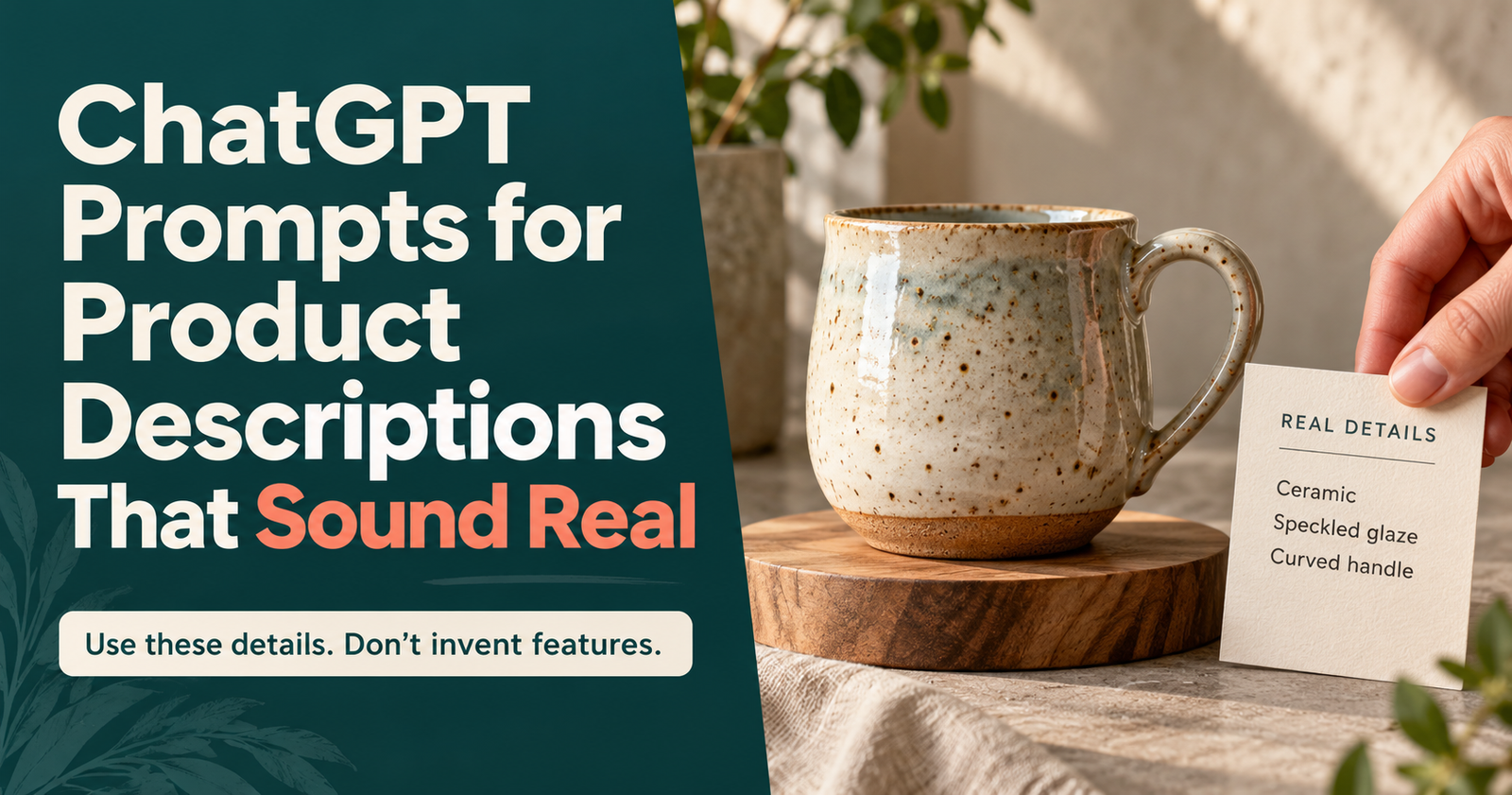
That matters because a strong Etsy listing is not just designed to get found. It is designed to make the right person feel sure enough to buy. Once the listing uses the right buyer language, product description prompts that sound real can help turn the product facts into a description that supports that decision.
Check Whether the Keyword Fits the Actual Product
Before I use any keyword, I ask one question: “Would a buyer feel misled if they landed on this listing after searching that?”
If the answer is yes, I leave it out.
This protects the shop from the kind of traffic that looks good on paper but produces disappointed buyers, low conversion, and unnecessary messages.
Keyword research is not about getting the most possible views. It is about getting the right views.
A shopper who finds exactly what they wanted is more likely to click, understand the offer, buy, and come back later. That is the kind of search visibility worth building.
Daxon Weaver is an independent publisher and longtime Etsy seller who has generated more than $273,000 in Etsy sales. He writes practical, plain-English guides for Make It Found to help creators and small business owners get found online.