
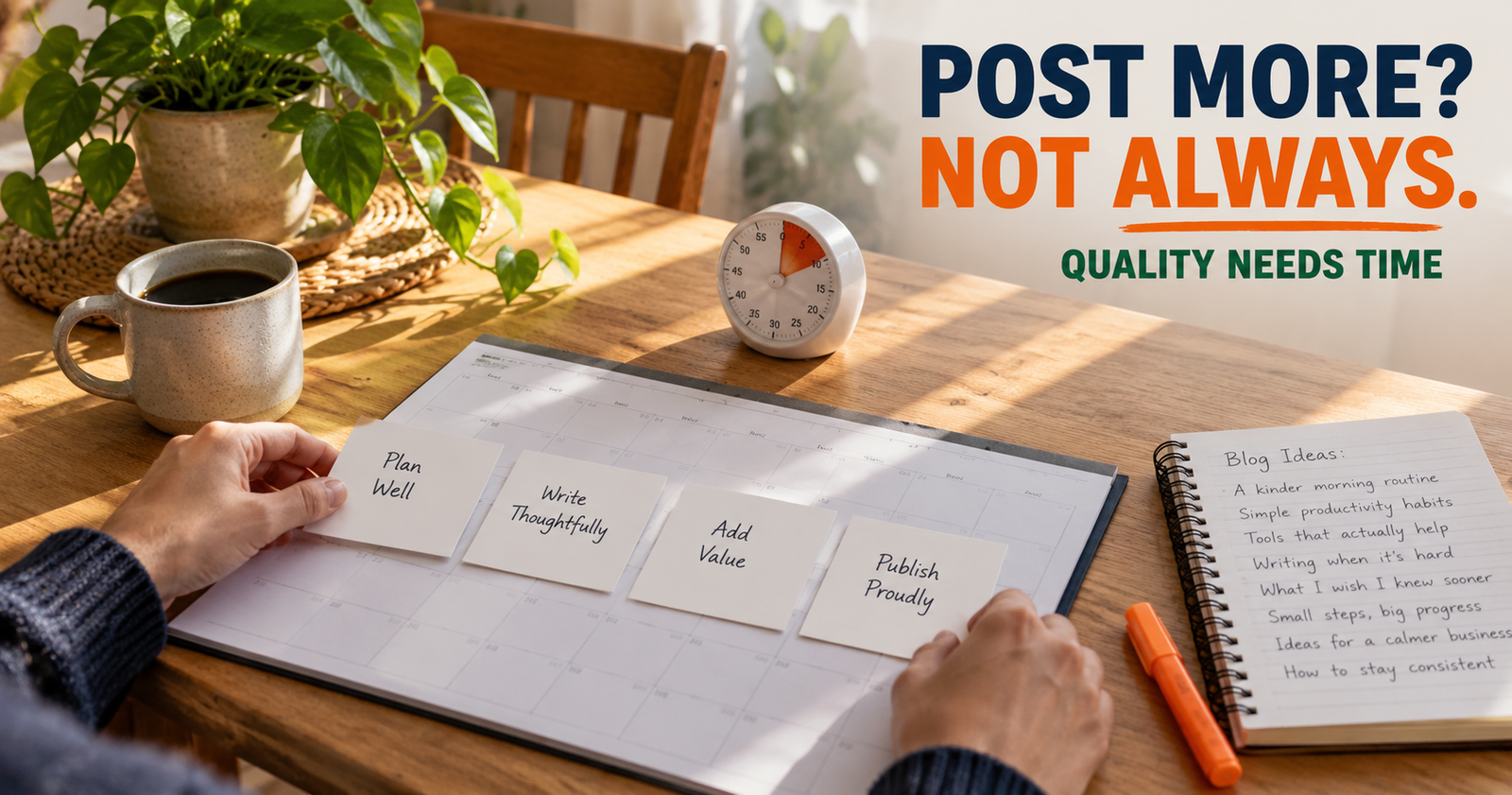
You do not need to publish every day for a new blog to grow.
That is good news, because daily publishing is one of the fastest ways for a small site owner to burn out, rush articles, and end up with a website full of pages they do not feel good about later.
For most new blogs, I would rather see one strong, useful article every week than five thin posts that all say roughly the same thing. The right schedule is the one that lets you keep publishing genuinely helpful pages without turning every article into a race.
The Best Posting Schedule Is One You Can Keep
There is no magic number of blog posts that makes Google suddenly trust a new website.
Publishing more often can help a site grow its library of useful pages. But publishing frequency by itself is not a ranking factor you can game. A rushed article does not become valuable because it was published on a Tuesday, and a strong article does not become worthless because it took two weeks to finish.
A new blog needs depth, not a frantic content treadmill.
For many small site owners, one good post per week is a solid place to start. If you have the time and clear topics, two posts per week can work well. If you can only publish two or three strong articles in a month, that can still be better than filling the site with pages you will need to rewrite later.
The goal is steady progress, not an impressive posting count.
Why Daily Blogging Can Hurt a New Site
Daily blogging sounds productive because the number grows fast. Ten posts become 30, then 60, then 100.
But a large post count can hide a real problem: the pages may not be helping anyone very much.
When people rush, they often choose topics too quickly, skip the search-results check, write overlapping articles, and publish answers that are too thin to solve the reader’s problem. The site ends up with several pages competing for the same search or a bunch of broad articles that do not have a clear job.
That is not authority. It is clutter.
Google’s guidance focuses on helpful, reliable, people-first content. A strong page should give the reader a real answer, not just exist because a content calendar said something had to go live that day.

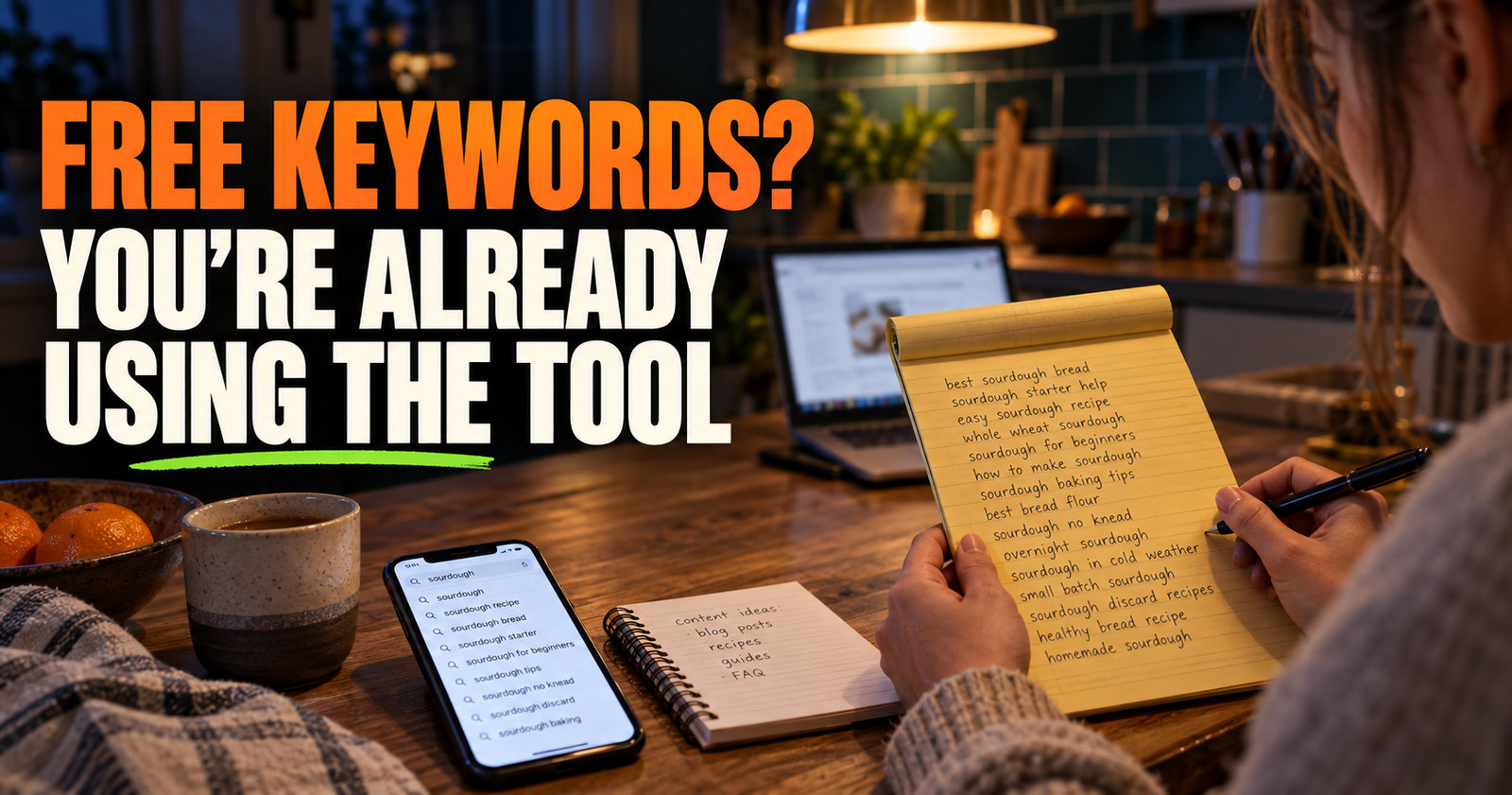
Quality Does Not Just Mean “Make It Longer”
A 3,000-word article can still be weak if it repeats itself, avoids the actual question, or buries the useful part under generic advice.
A quality article usually does a few things well.
- It answers a specific question early.
- It explains why the problem happens or why the choice matters.
- It gives the reader a clear order for what to do next.
- It covers common mistakes or misleading shortcuts.
- It uses examples when they make the decision easier.
- It connects naturally to the other helpful pages on the site.
- It ends when the reader has what they came for.
That may take 800 words for one topic and 3,000 for another. The right length is the amount needed to make the page genuinely complete.
New Blogs Need a Connected Topic Group
A new blog should not publish random articles just because they sound interesting.
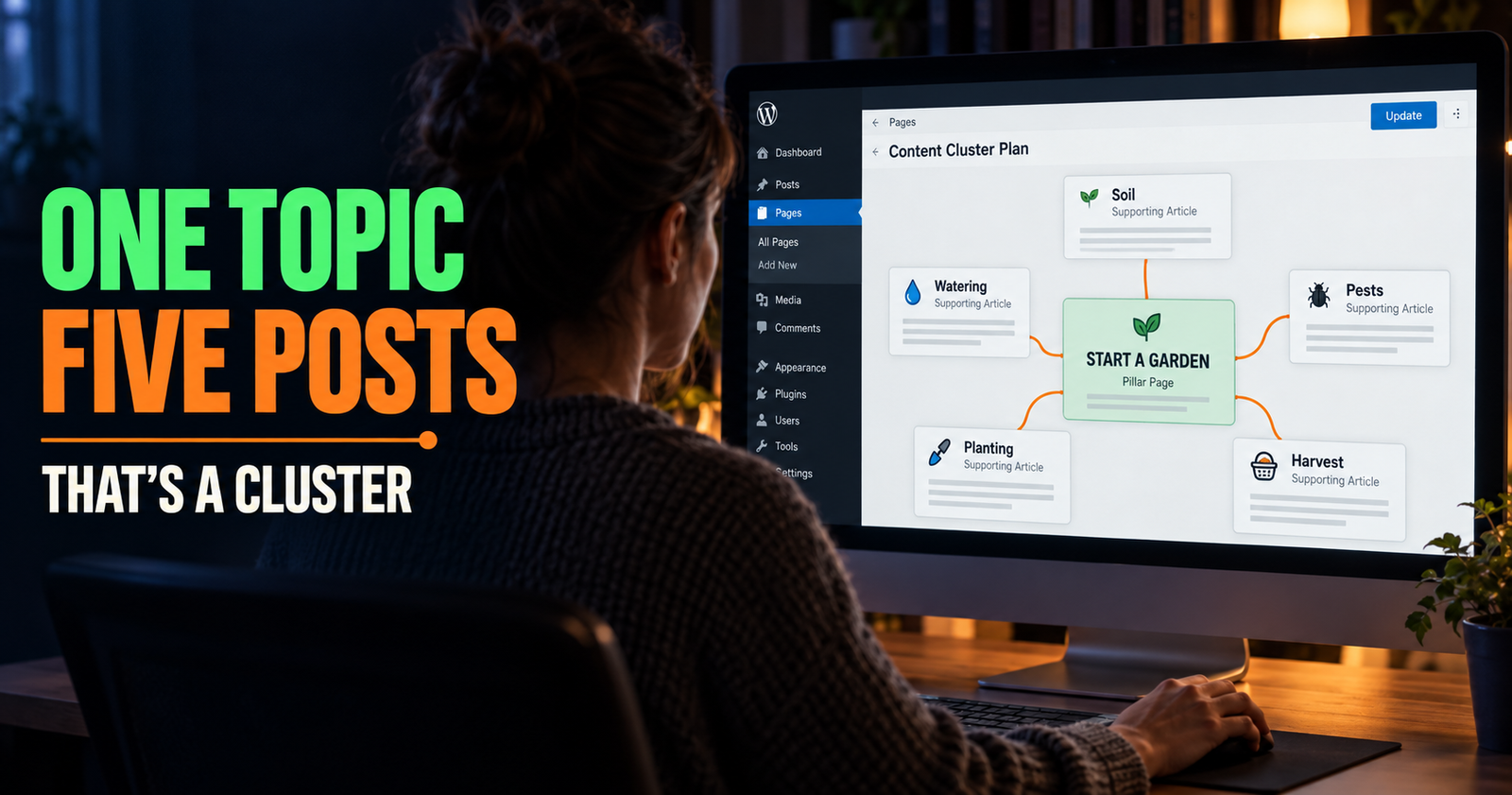
A better approach is to choose one main topic and build a useful group around it. Each article should answer a different question that naturally follows the one before it.
For example, Make It Found began with a broad beginner SEO guide. Then it moved into questions about SEO timelines, indexing, rankings, backlinks, keyword research, search intent, and competition.
Those pages support one another. A reader who starts with “Why is my new website not showing up on Google?” may later need help with indexing, ranking, keywords, or whether backlinks are required. The broader strategy is to build a connected content library around the questions one audience naturally asks.
That is a much stronger foundation than publishing one article about SEO, one about Instagram, one about email marketing, one about logo design, and one about making money online.
The site becomes easier for readers and search engines to understand because the pages belong together.

A Good First-Month Schedule for a New Blog
Your first month does not need to be perfect. It needs to create a foundation.
A simple plan might look like this.
- Publish one broad cornerstone page that explains the main subject of the site.
- Publish two or three supporting articles that answer the most common beginner problems.
- Link those articles naturally where the reader needs a next step.
- Check that every page works well on a phone.
- Keep a list of the questions that should become future articles.
- Avoid changing the site direction every few days.
If you publish four useful articles in your first month, that is a real start. If you publish eight strong articles and can maintain that pace without cutting corners, that is fine too.
The key is that the pages should be distinct. They should not all be versions of the same article wearing different titles.
When Two Posts a Week Makes Sense
Two posts per week can be a great pace when you already have a clear cluster planned.
It works especially well when one article supports the next. You might publish a broad problem guide first, then follow it with a more specific diagnosis or comparison article.
For example, a new gardening site could publish “Why Are Tomato Leaves Curling?” followed by “Can Underwatered Tomato Plants Recover?” Those are connected but not duplicates.
Two posts a week can also work when one article is a shorter answer and the other is a more complete guide. Just do not use the shorter post as an excuse to leave the reader hanging.
A short article can still be excellent when the question has a short answer.
When You Should Slow Down
Slow down when publishing is making the site worse.
That may happen when you are choosing topics without research, forgetting to connect pages, repeating the same advice, or posting articles you already know are not finished.
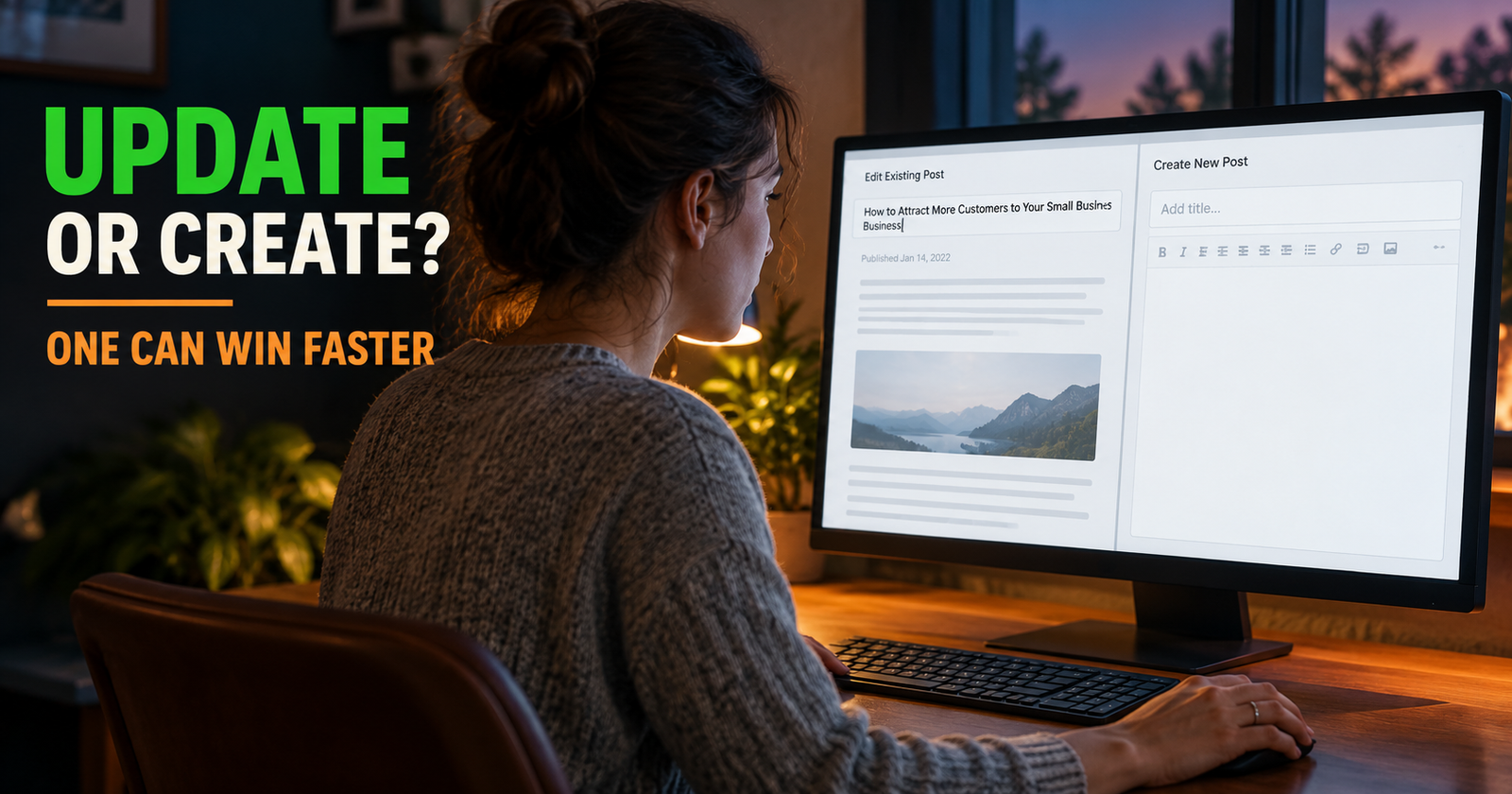
I would also slow down when you have several published articles that need basic improvements. If the opening is unclear, the mobile page is hard to read, the title does not match the search intent, or the content needs a better answer, fixing that can be more valuable than publishing another rushed post. A fuller framework can help you judge when fixing that is preferable to publishing again.
The question is not, “Can I publish another article?”
The better question is, “What would help my reader and my site most this week?”
Sometimes the answer is a new page. Sometimes it is improving a page you already have.
Your Publishing Pace Should Match Your Subject
Some subjects need more care than others.
A quick article about a simple software setting may be easy to write and update. A detailed medical, legal, financial, home repair, or product comparison article deserves more research and more careful wording.
A local business may only need one solid service page and one helpful article each month. A growing niche resource may have enough distinct questions to support weekly publishing.
Do not copy another site’s content schedule without thinking about its business model, staff, audience, and topic depth. A large publisher with a team of writers has a different reality than one person building a helpful site on evenings and weekends.

Consistency Means Returning to the Work
“Be consistent” is common advice, but it often gets translated into “post on the exact same day every week forever.”
That is not what matters most.
Consistency means your website continues to become more useful over time. You keep answering the real questions your audience has. You update pages when they become outdated. You build on the topic instead of abandoning it after three posts.
A site can publish every Monday for six months and still go nowhere if the articles do not help anyone.
Another site can publish two strong articles a month, keep them organized, improve them carefully, and slowly build a collection worth finding.
That is consistency that matters.
Do Not Write a New Article When an Existing Page Needs the Answer
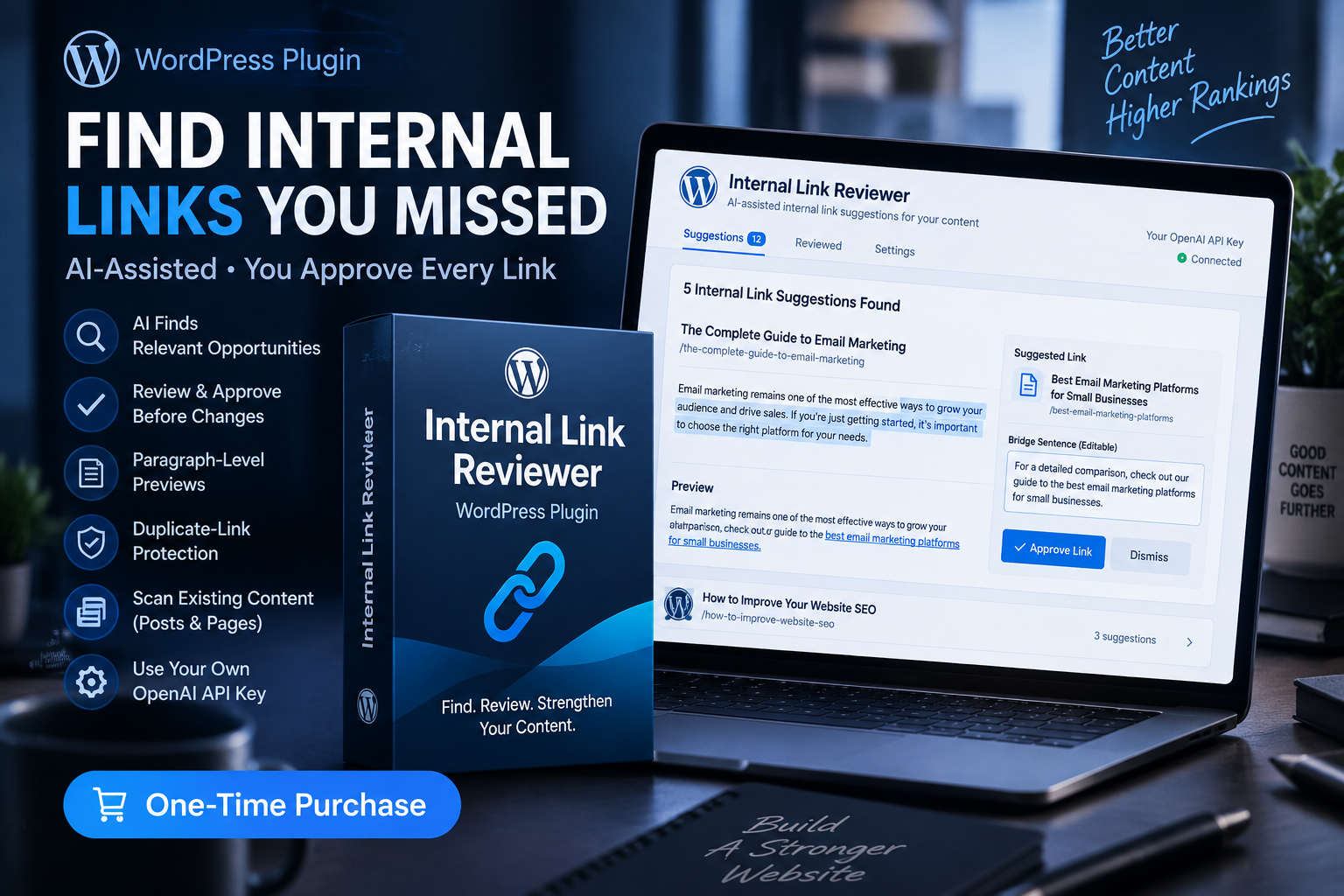
Before creating a new post, check whether the question already belongs in something you published. A tool that helps you connect pages can make that review easier as the site grows.
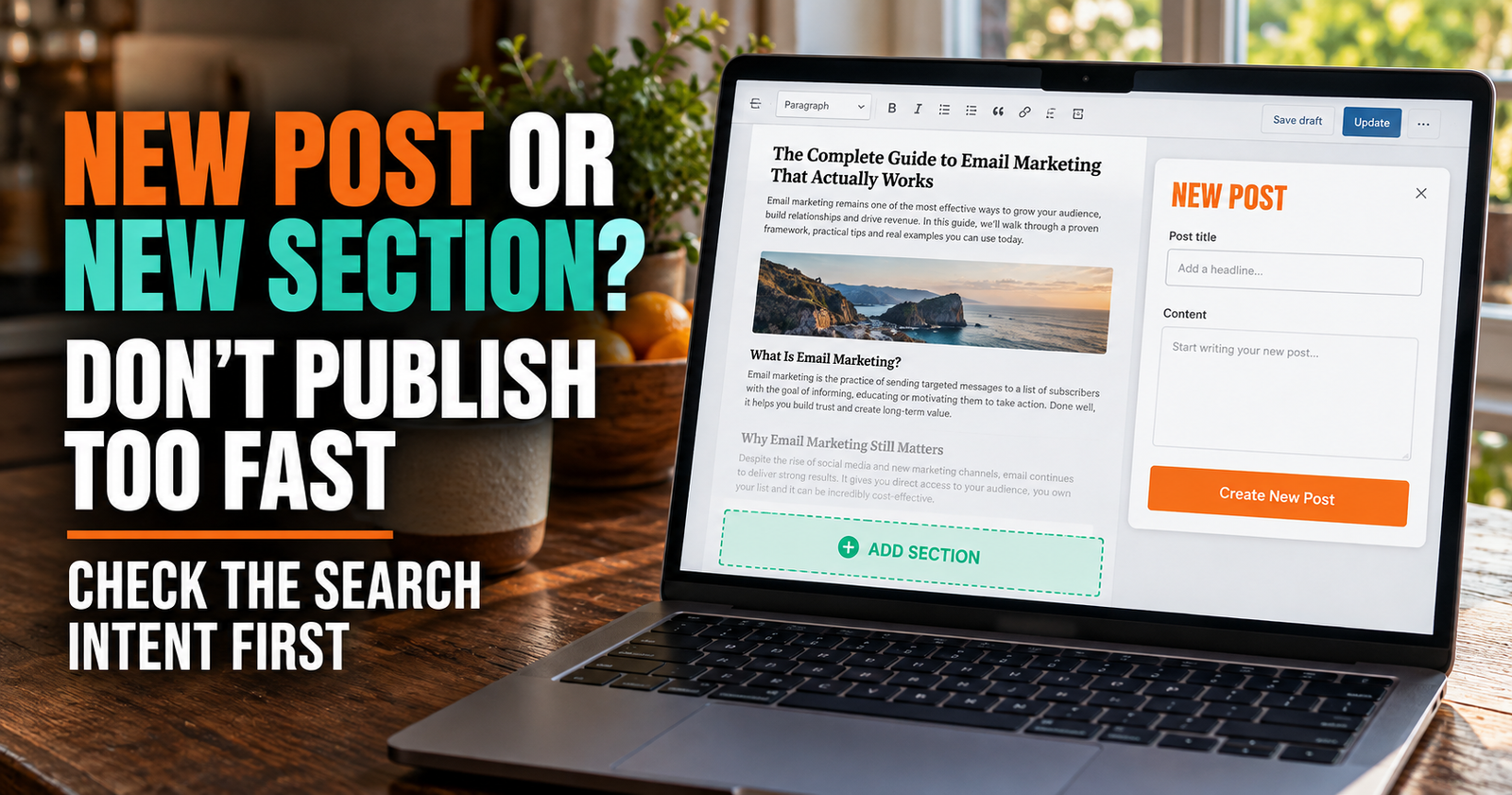
If the answer is a short follow-up that readers would expect in the existing guide, add it there. If the question has a different search intent and deserves a full answer of its own, create a new page.
For example, a backlink article can answer a short question about whether links still matter. But “How do I know if a backlink service is safe?” could deserve its own detailed article later because the person searching has a different decision to make.
This is how you avoid keyword cannibalization and keep your website from turning into a pile of overlapping articles.

The guide on search intent and SEO can help you make that call before you write.
A Practical Publishing Formula for Small Websites
If you are unsure where to start, use this simple rhythm.
- Choose one cluster, not five unrelated topics.
- Plan six to 10 distinct questions within that cluster.
- Publish at a pace that lets you fully answer each one.
- Link related pages together as the cluster grows.
- Review the first articles after enough time has passed to gather data.
- Update what needs improvement before moving too far ahead.
For many small sites, this produces better results than daily posting because every article has a purpose.
The site begins to feel less like a blog archive and more like a useful resource.
Give New Articles Time Before You Judge Them
One reason people over-publish is that they get discouraged when a new article does not bring traffic immediately.
SEO takes time. A page may need to be crawled, indexed, tested for searches, and compared against other results before it earns meaningful visibility.

The article on how long SEO takes for a new website explains why this waiting period is normal.
Publishing another rushed post will not force the earlier page to rank. Stronger content, clearer topic choices, internal links, and patience are usually the better answer. When the article library starts getting difficult to track, tools for managing internal links can make the internal-link part of that work more manageable.
A New Blog Does Not Need to Look Busy
The best new sites do not always look like they publish nonstop. They look like they know what they are there to help with.
A handful of strong, connected pages can build more trust than dozens of generic posts. Publish steadily. Write with care. Make each article earn its place.
That is a much better long-term plan than treating your blog like a factory.
Alden Whitaker writes practical, plain-English SEO guides for Make It Found that help small website owners build useful content libraries without burning out or publishing filler.