
Getting a new website on Google can feel painfully slow, especially when you have put real time into writing pages, setting up the design, and making everything look right. The honest answer is that SEO usually takes months, not days.
Some new pages can be crawled and indexed within days or weeks. Getting steady impressions, clicks, and rankings for the searches you actually care about usually takes longer. A new site often needs time for Google to find its pages, understand what they are about, see how well they answer searchers’ questions, and compare them with other results. If a page is indexed but still not gaining visibility, indexed but not ranking explains what to check next.
That does not mean nothing is happening while you wait. The first few months are when you build the foundation that gives your site a real chance to grow.
The Short Answer on How Long SEO Takes
For a brand-new website, it is normal for SEO progress to take several months. Some pages may show up in Google fairly quickly, while meaningful traffic can take longer depending on the topic, competition, quality of the content, and how well the site is put together.
Here is a practical way to think about it.
- The first few days to several weeks: Google may discover and crawl your site and some of its pages.
- The first one to three months: You may begin seeing impressions in Google Search Console, even if clicks are still low.
- Around three to six months: Well-targeted pages can begin earning more consistent clicks, especially when they answer specific questions with less competition.
- Six months and beyond: A site with useful content, clear organization, and steady updates has more chances to build momentum across related topics.
There is no universal schedule. A small website in a narrow topic may see movement earlier on a few pages. A site trying to compete for broad, crowded searches may take much longer.
Google itself says changes can take anywhere from hours to several months to show in Search results. That is why it is usually smart to give meaningful improvements a few weeks before deciding whether they helped.
Why a New Website Takes Time to Grow
Google Search is not a simple list where a website gets added and automatically sent visitors. Google has to crawl the web, analyze pages, decide what they are about, and determine which results are likely to be the most useful for each search.
That process matters even more for a new website because it does not have much history yet.
Google explains its system in three broad stages: crawling, indexing, and serving results. Crawling is when Google finds and downloads a page. Indexing is when it analyzes and stores information about that page. Serving is when Google decides whether the page may be relevant enough to show for a particular search.
A page can be indexed and still receive almost no traffic. That simply means Google knows it exists, but it has not found many searches where the page is a strong result yet.

This is one reason it helps to understand the basics covered in DIY SEO for beginners. SEO is not one action you finish. It is the ongoing work of making useful pages easy to find and understand.
Indexing Is Not the Same as Ranking
This is one of the biggest points of confusion for newer website owners.
When a page is indexed, it means Google has added it to its database. The page may be eligible to appear in search results, but it is not guaranteed to rank well for the phrases you hoped for.
Ranking is a separate question. Google has to decide whether your page is one of the best matches for a search compared with all the other pages it could show.
For example, imagine you publish an article called “How to Start a Vegetable Garden.” Google might index it quickly. But that search has thousands of strong pages from gardening sites, seed companies, extension offices, and established publishers.
Your new page may need more time and more proof of usefulness before it has a chance to compete there.
Now imagine you publish “Why Are My Tomato Seedlings Falling Over After Germinating?” That is a narrower question. If the page gives a clear answer and helpful steps, it may have a better chance of being shown to the right searchers sooner.
Specific problems often give a newer site more room to grow than giant, broad topics.
What Can Make SEO Move Faster
There is no safe trick that makes a new website rank overnight. But a few good habits can make it easier for Google to discover and understand your pages.
Publish pages that answer one clear question

A page should have a main purpose. It might answer a question, explain a problem, compare two options, or help someone decide what to do next. Choosing that purpose is easier when you first identify the purpose behind a search.
The clearer the purpose, the easier it is to make the page useful.
A page called “Marketing Tips” is broad and hard to compete with. A page called “How to Find Keywords for a Small Business Website” is much more focused. A searcher can quickly tell whether it may help them.
Use normal words people actually search
You do not need to stuff a keyword into every sentence. You do need to explain the topic using the same plain language your audience uses.
If someone is worried that their new site has no visitors, they may search phrases like “why is my new website not getting traffic,” “how long does SEO take,” or “new website not showing up on Google.”
A helpful page should naturally address that kind of wording because it is part of the real problem.
Link related pages together
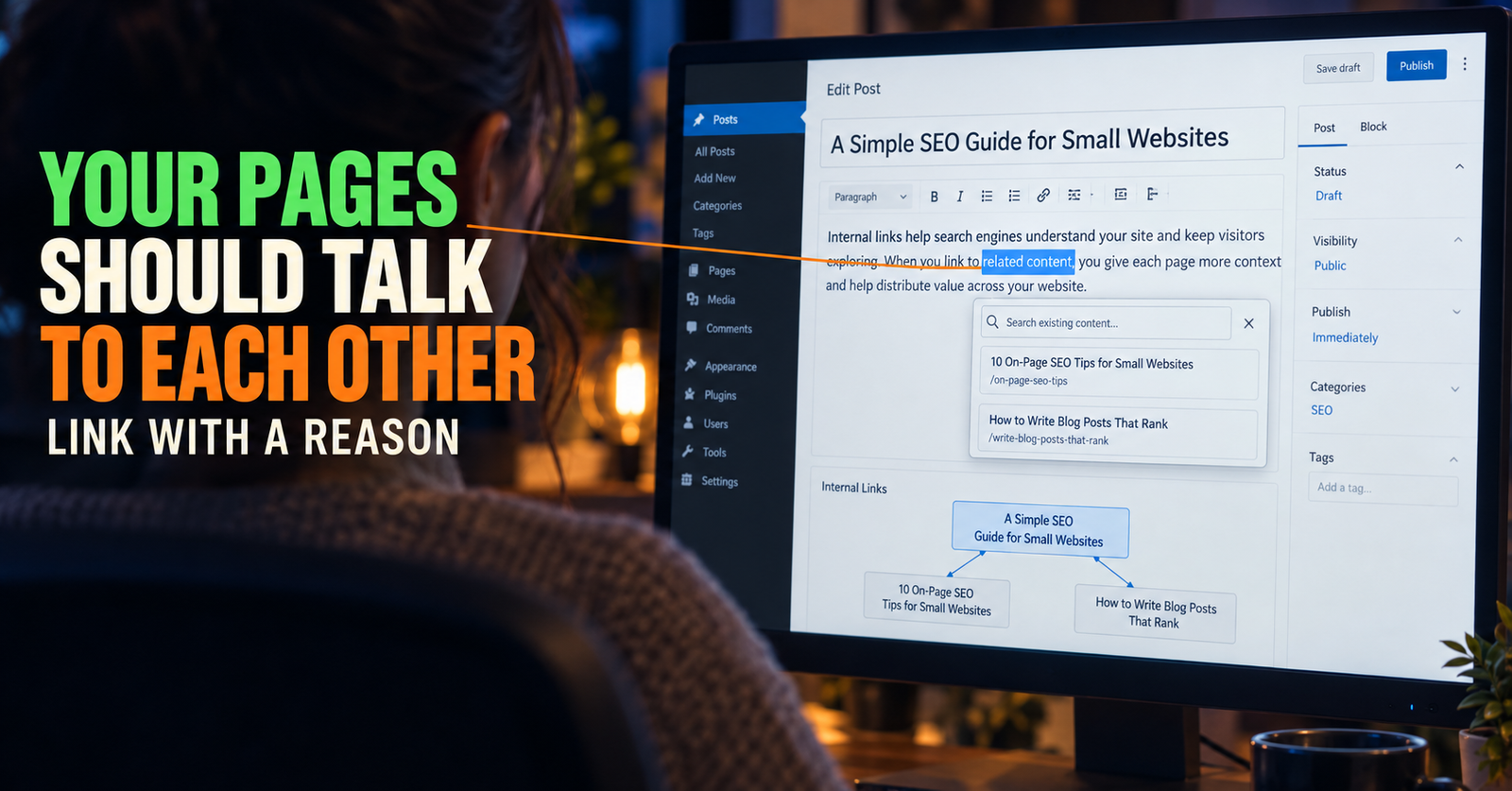
Internal links are links from one page on your website to another page on the same website. They help visitors find the next helpful article, and they give Google more paths to discover your pages.
When you publish a new article, link to it from a relevant older article when it truly helps the reader. Then let the new article link back to the broader guide or another closely related page.
Do not force a dozen links into every post. One natural link placed where a reader needs the next step is better than a pile of random links.
Make sure the page works on a phone
Google uses the mobile version of a site’s content for indexing and ranking. That makes mobile usability important.
Check your pages on your own phone. Make sure the main text is easy to read, the page does not hide useful content behind popups, and buttons or menus are not difficult to use.
A reader should be able to find the answer without pinching the screen, closing a bunch of popups, or waiting forever for the page to load.
Give Google a way to find your pages
A new site should have a sitemap and should be connected to Google Search Console. A sitemap helps Google discover pages on your site, though it does not guarantee that every page will be crawled or indexed. Alongside a sitemap, helps Google discover pages can help connect those pages for both visitors and search engines.
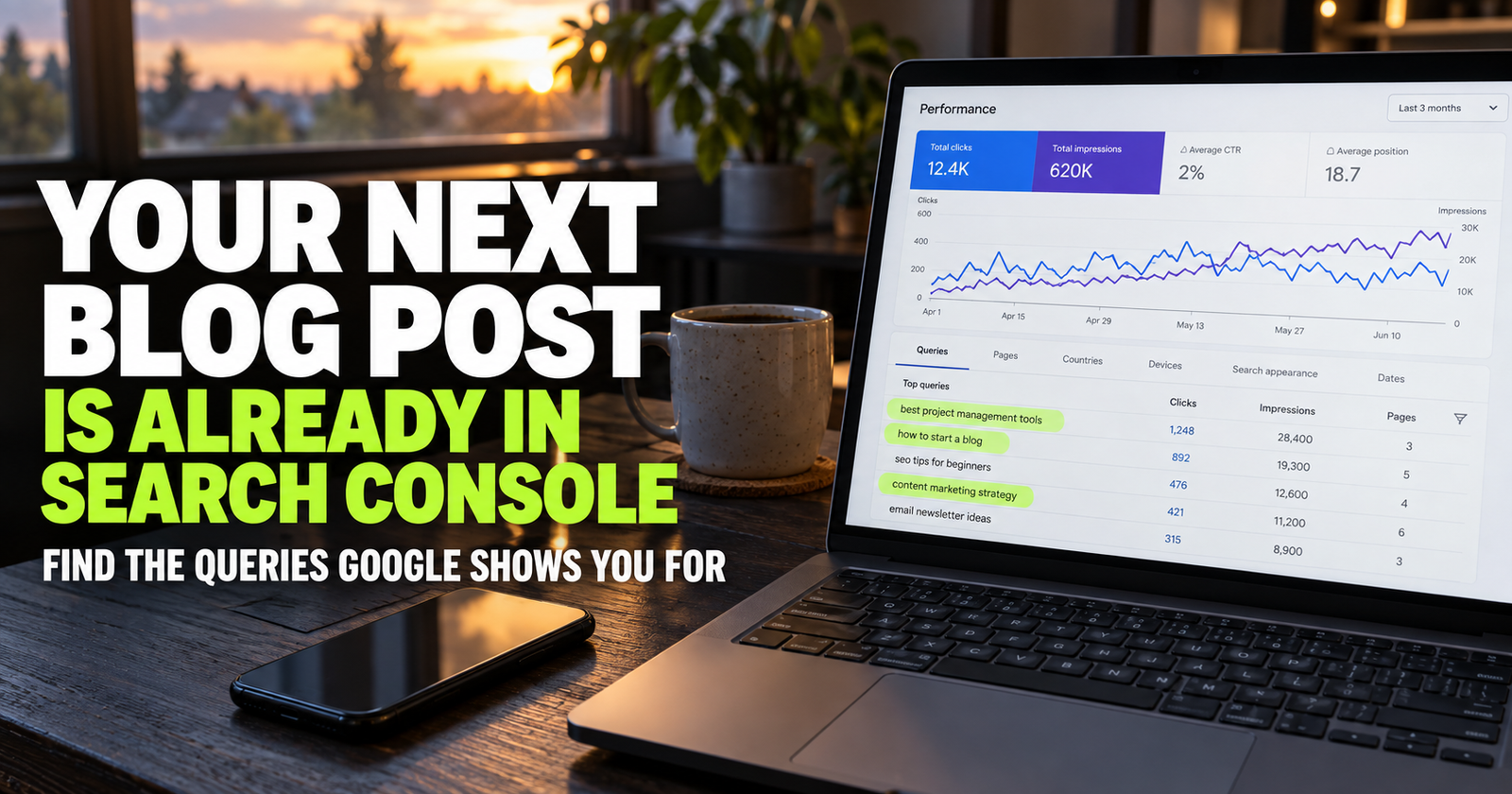
Search Console lets you check whether Google can find your pages, review indexing issues, and see early search data.

What Usually Slows a New Website Down
Sometimes SEO takes time because the site is new. Other times, there is a fixable issue holding pages back.
Publishing topics that are too broad
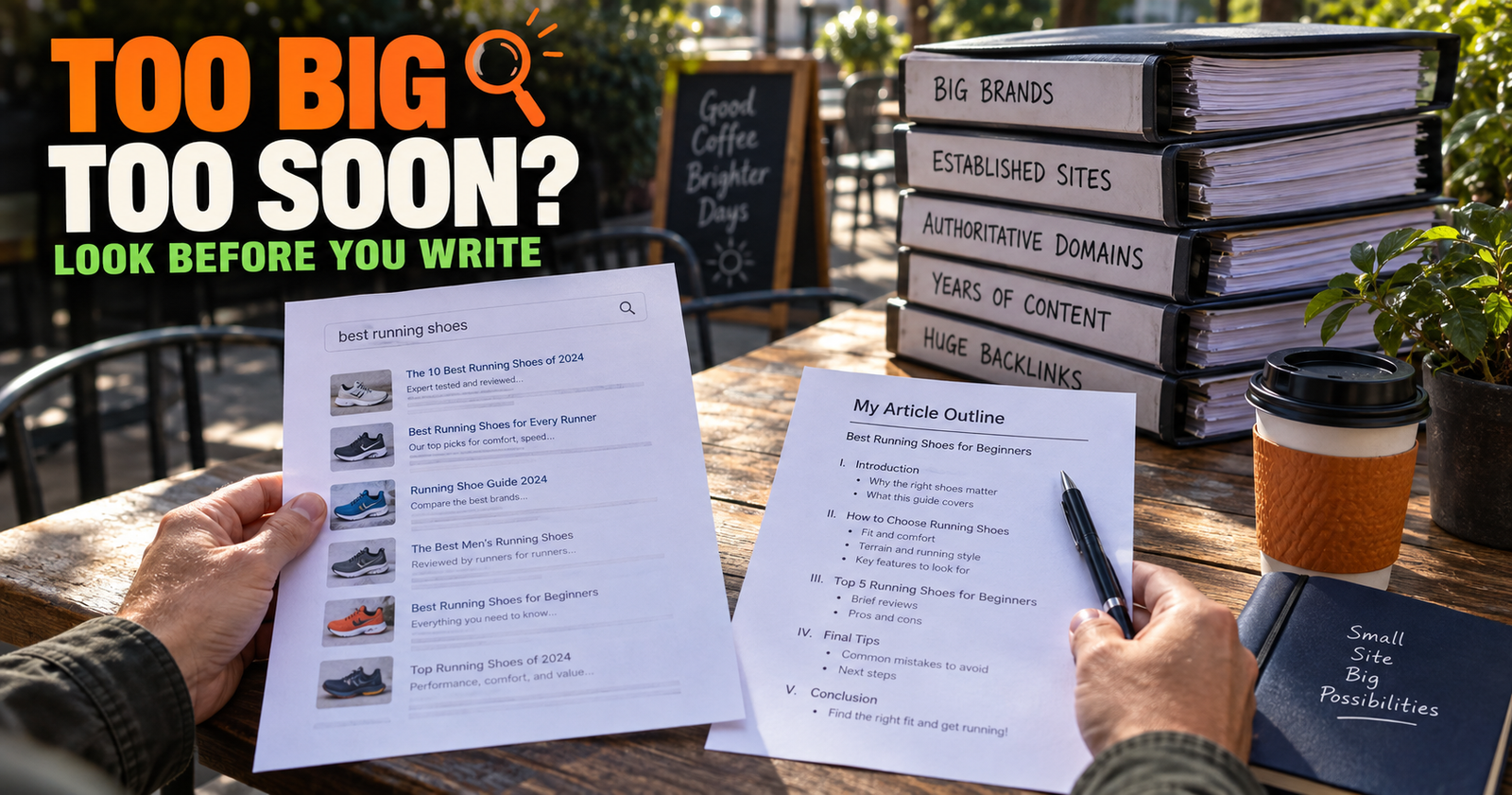
A new website can absolutely cover big subjects eventually. The trouble comes when every early page targets an extremely broad phrase with heavy competition. This guide explains how to keep evaluating broad keywords from becoming the starting point for every early page.
Trying to rank a brand-new site for “SEO,” “dog food,” “home repair,” or “gardening tips” is a tough starting point. Those phrases are not impossible forever, but they are not the best place to expect quick results.
Start with the questions real people ask within your topic. The smaller, specific questions are often more useful to readers and easier to build into a connected group of content.
Writing pages that do not fully answer the search
A page can have the right keyword and still disappoint the reader.
If someone searches “how long does SEO take,” they probably want a realistic timeline, what affects the timeline, what progress looks like, and what they should do while waiting. They do not need a page that spends most of its time defining SEO or trying to sell them an expensive service.
Before publishing, ask yourself whether the page gives a person a clear next step. If it does not, it probably needs more work.
Creating too many thin articles
More pages do not automatically mean more traffic.
Publishing many short articles that repeat the same ideas can make it harder to build a useful site. It also leaves you with a lot of pages to update later.
A better approach is to publish fewer, stronger articles that each solve a distinct problem. Then build related pages around those articles over time.
Technical settings that block Google
New websites sometimes accidentally block search engines from seeing their pages.
A WordPress setting, a noindex tag, a password-protected page, a broken redirect, or a robots.txt rule can prevent Google from indexing a page correctly.
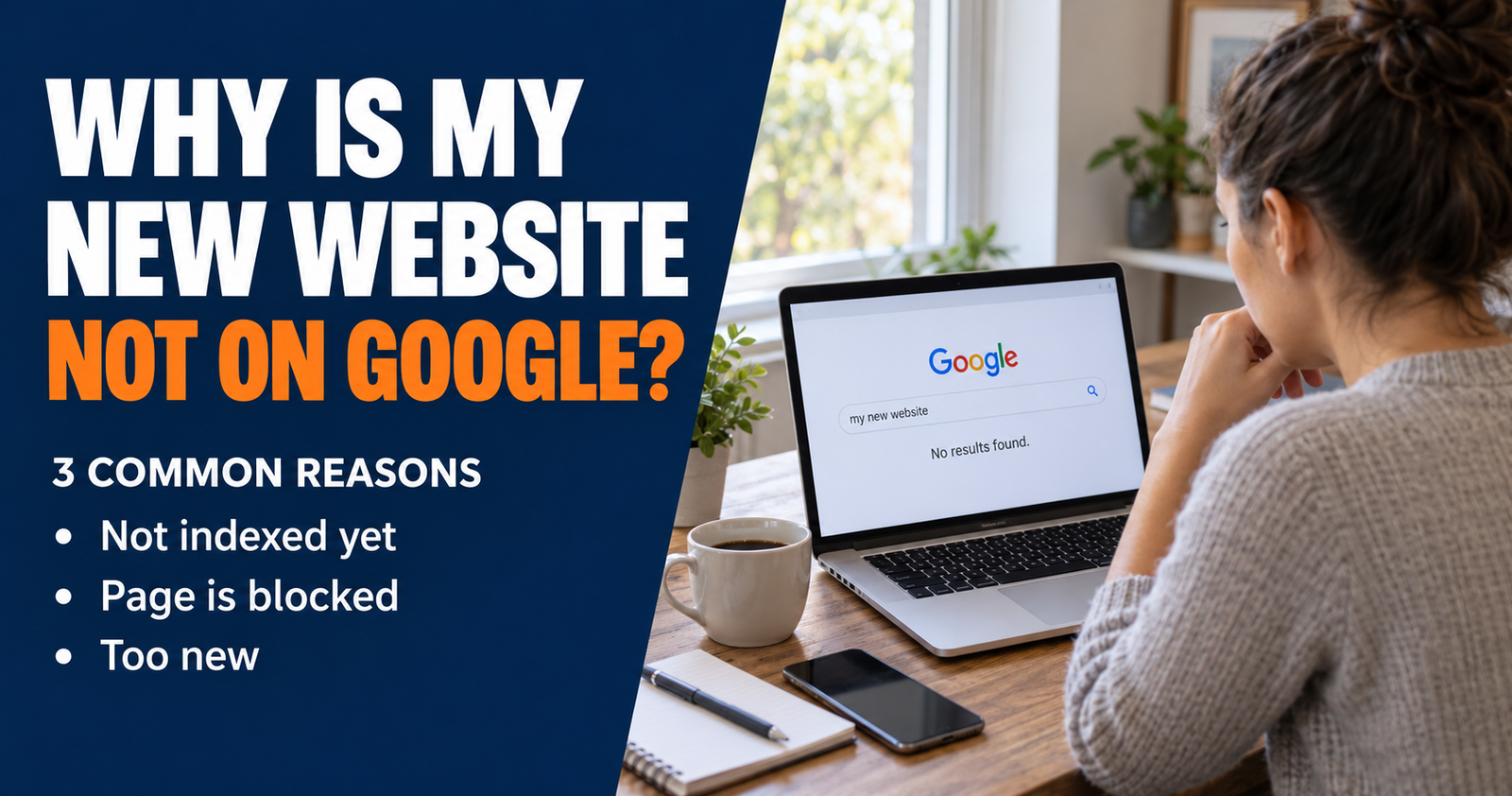
If a page is not appearing at all after enough time has passed, use Google Search Console’s URL Inspection tool. It can help show whether Google knows about the page and whether there is an obvious indexing problem.
Expecting every page to rank immediately
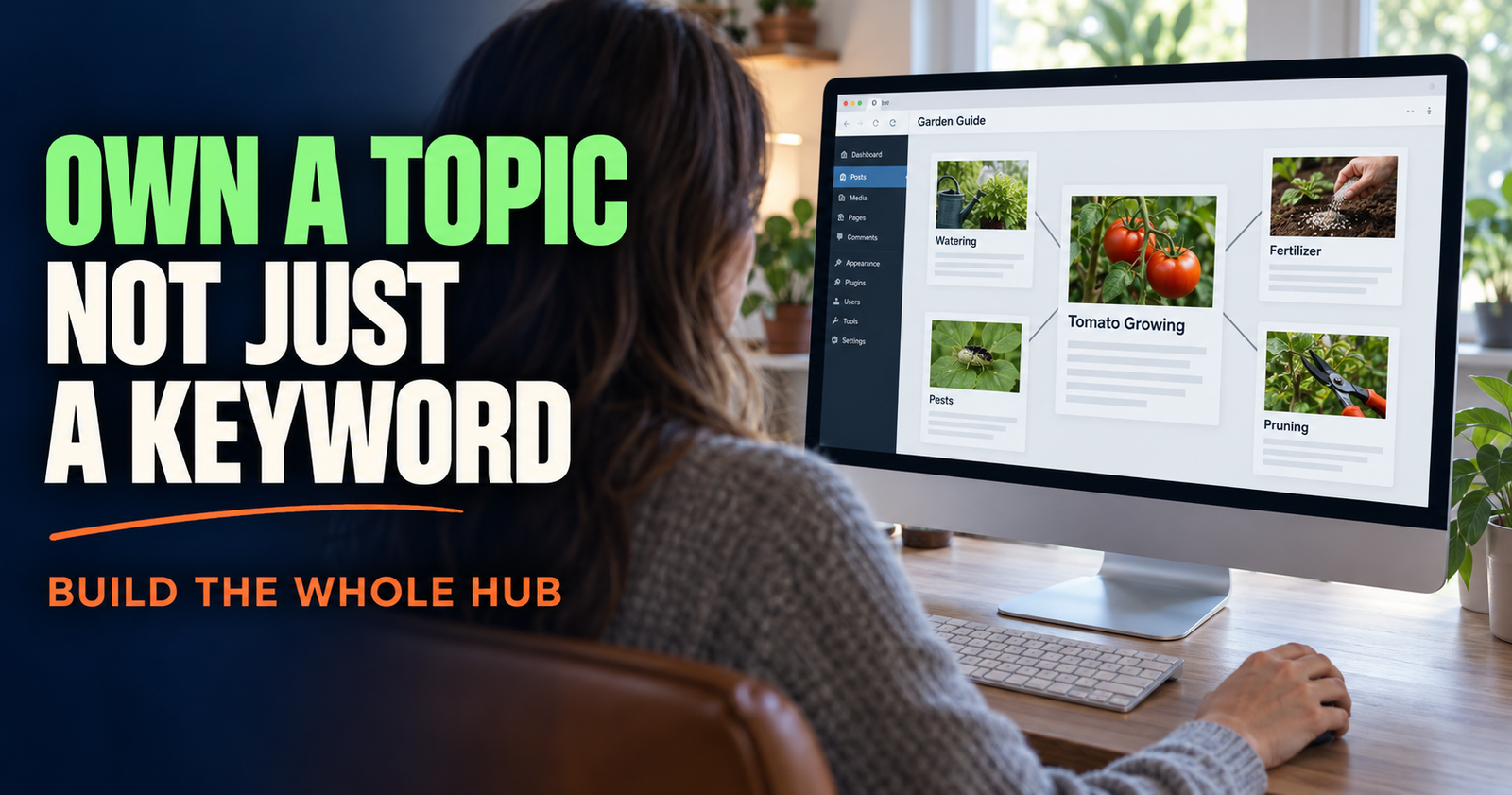
A good article is worth publishing even if it does not rank right away. It can become part of a larger topic group, support another page through internal links, and give you something solid to improve later. That is one practical way to start building a larger topic group over time.
The worst move is usually deleting or completely changing a good page after only a few days because it has not brought visitors yet.
What Progress Looks Like Before You Get Traffic
Early SEO progress is not always exciting, but it is still useful information.
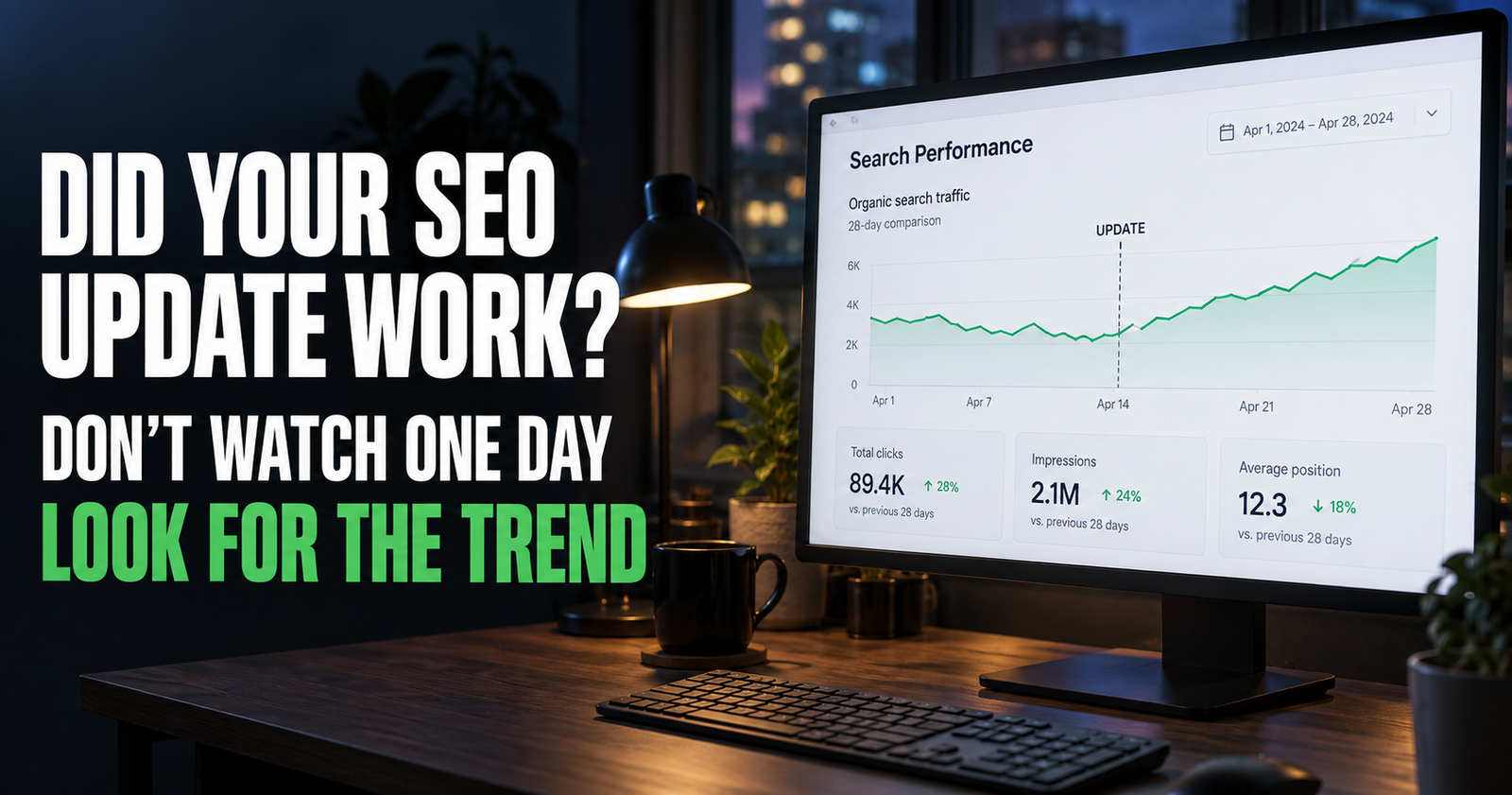
One of the first things you may notice in Google Search Console is impressions. An impression means your page appeared somewhere in Google’s results for a search.
You may see impressions long before you see many clicks. That can mean Google is starting to test your page for certain searches. It may be appearing too low to earn clicks yet, or it may be showing for phrases that do not match the page perfectly.
That is not a reason to panic. It is a signal to watch.
As your site grows, you may see a few patterns.
- More pages begin appearing in Search Console.
- Impressions gradually increase before clicks do.
- A page starts getting clicks for a phrase you did not expect.
- Specific long-tail searches bring in the first visitors.
- Older articles begin gaining more traction after you add related content around them.

Search Console is useful because it shows what is actually happening instead of making you guess. Google says you do not need to check it daily. Checking about once a month, or after a meaningful change, is usually more productive for a smaller site. If interpreting early search data becomes difficult, a SearchLift AI plugin may be worth reviewing alongside your regular Search Console checks.
A Realistic First Six Months for a New Website
Every site moves differently, but this is a useful general roadmap.
Month one: Get the foundation right
Set up your site, make sure it works well on mobile, connect Google Search Console, and submit your sitemap if your site has one.
Publish your main cornerstone article and a few strong supporting articles. Focus on one topic area instead of jumping between unrelated subjects.
At this stage, the biggest win is having a clean, useful site that gives Google something worth discovering.
Months two and three: Build a connected topic group
Keep publishing pages that answer different questions within the same topic. Link them naturally together.
This is where many people make the mistake of switching topics too quickly. If your site starts with beginner SEO, keep building beginner SEO articles until you have real depth there.
You may start seeing impressions during this period. Some pages may be indexed quickly while others take longer.
Months four through six: Watch the data and improve what is useful
By this point, you may have enough Search Console information to see which pages are getting impressions, which topics are showing early promise, and which articles need clearer titles or stronger answers.
Do not rewrite pages just because they are not number one. Improve a page when you can make it more helpful, more accurate, or easier to understand.
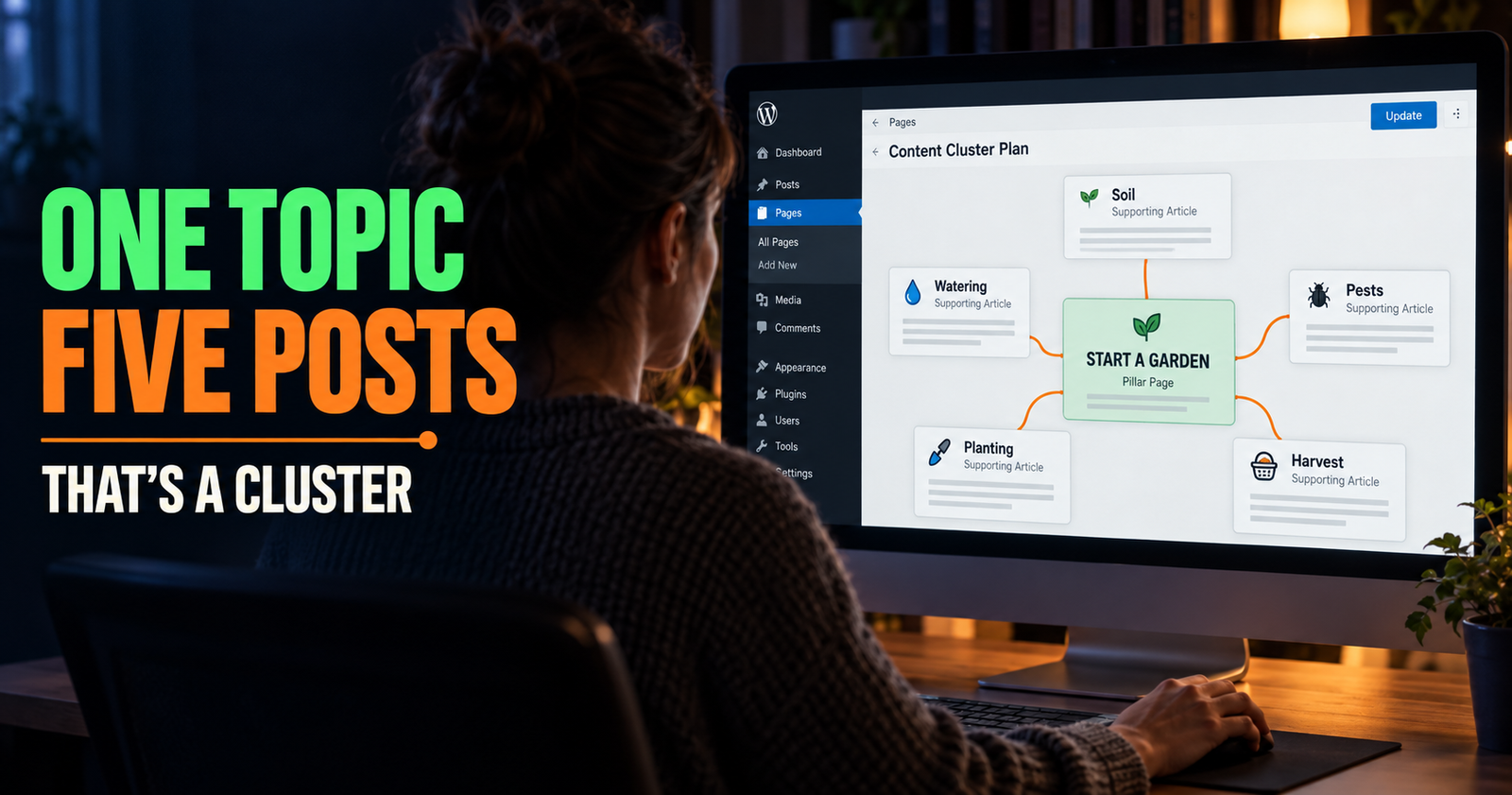
You can also begin building the next closely related cluster once the first one has enough depth. For a beginner SEO site, that may lead naturally into internal linking, content planning, or Google Search Console help.
What to Do While You Wait for SEO to Work
Waiting does not mean sitting still and refreshing your rankings every day. There are useful things you can do that make the site stronger.
- Keep publishing distinct, helpful articles in the same topic cluster.
- Review older pages for confusing sections, thin answers, outdated details, and easy improvements.
- Add internal links when a new page truly helps a reader continue learning.
- Check your site on a phone and fix anything that makes it frustrating to use.
- Make sure important pages are not accidentally blocked from Google.
- Read the actual searches in Search Console once data begins appearing.
- Avoid paying for spammy backlinks, fake traffic, or guaranteed ranking packages.
- Give strong pages enough time before making a major decision about them.
A website grows best when its owner treats it like a useful resource, not a slot machine. Every good page is another chance for the right person to find you.

Do Backlinks Determine How Long SEO Takes?
Backlinks are links from other websites to yours. They can be useful when they happen naturally because another site genuinely finds your content worth mentioning.
But backlinks are not the only thing that matters, and they are not a reason to buy low-quality links.
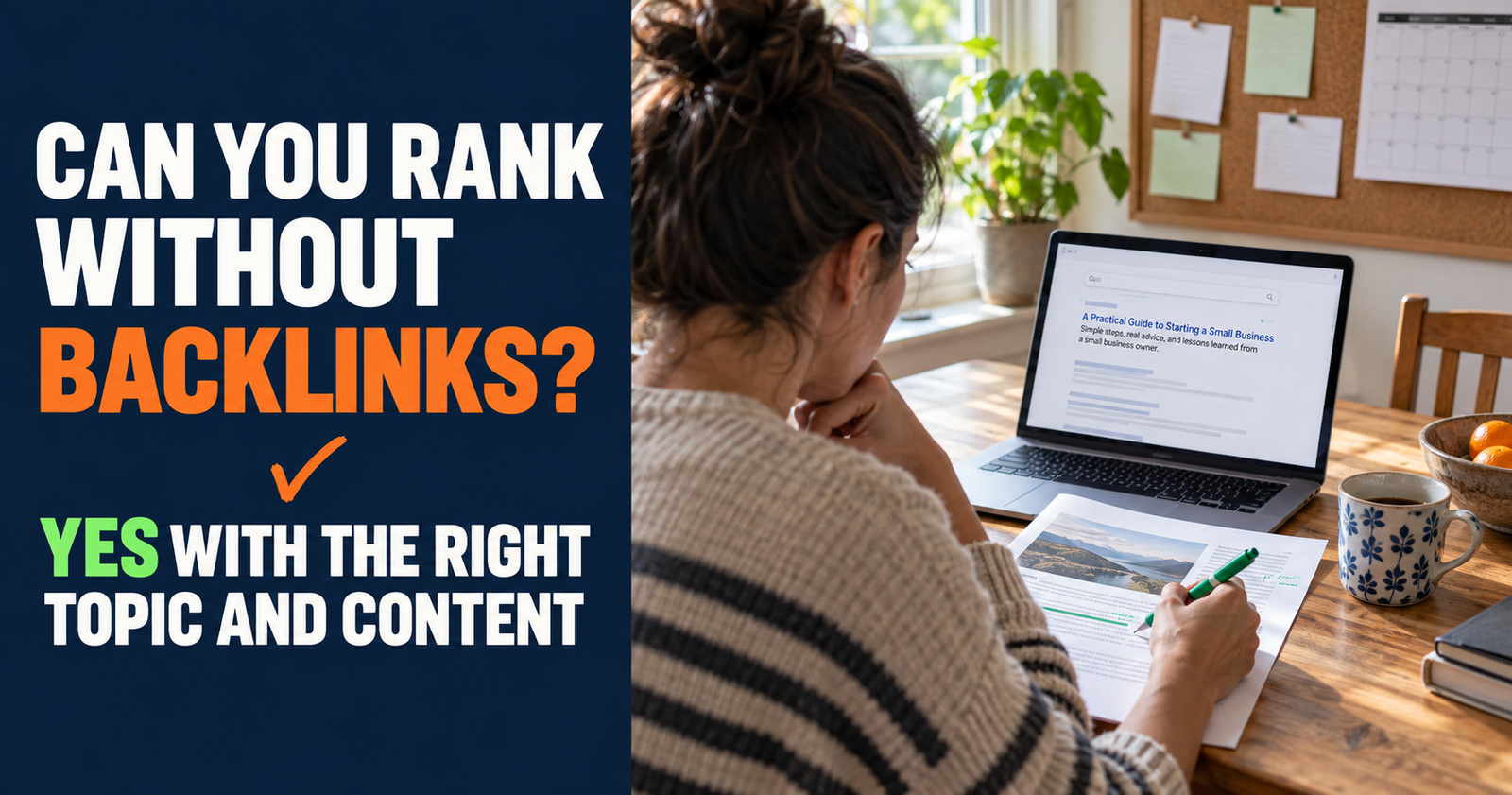
A new website can begin getting impressions and even traffic without a big backlink campaign. Strong, specific content, a clear site structure, and good internal links can create a meaningful foundation. For more context on that approach, see how a new website can rank without backlinks while building its foundation.
You can work on earning real mentions over time by creating useful resources, building a legitimate business, making helpful videos, participating where you truly have something to contribute, and producing pages people want to share.
Do not chase packages that promise hundreds of links overnight. A service that cannot explain where links come from or why they are relevant is not a good bet.
When Should You Worry About No SEO Progress?
You do not need to worry because a brand-new article has been live for a week and has no visitors.
It may be time to investigate when a page has had plenty of time to be crawled and indexed but still has no impressions, or when your whole site seems invisible in Search Console.
Start with the basics.
- Check that the page is published and works for visitors.
- Use URL Inspection in Search Console to see whether Google has indexed it.
- Make sure the page is not marked noindex or blocked from crawling.
- Check whether your title and opening sections clearly match the question you want to answer.
- Look at the search results and make sure your article is not trying to answer a different question from the pages Google already shows.
- Add a relevant internal link to the page from another article on your site.
- Give Google time to crawl changes before judging them.
Google’s official guidance says requesting a recrawl can take days to weeks, and a request does not guarantee instant inclusion or rankings. It is best used after you publish an important page or fix a real problem, not as a daily routine.
SEO Takes Patience, But It Should Not Feel Like Guessing
SEO has a delayed payoff, but you are not powerless while you wait.
Choose topics people actually search for. Give them a useful answer. Keep your site organized. Make pages easy to read and use. Watch your Search Console data over time. Then keep building on what your audience needs.
A new website does not need an agency, a giant team, or a pile of paid links to get started. It needs a clear purpose and enough useful content to prove it belongs in the conversation.
Dax Weaver is an independent publisher who writes practical, plain-English guides to help website owners, creators, and small businesses get found online.