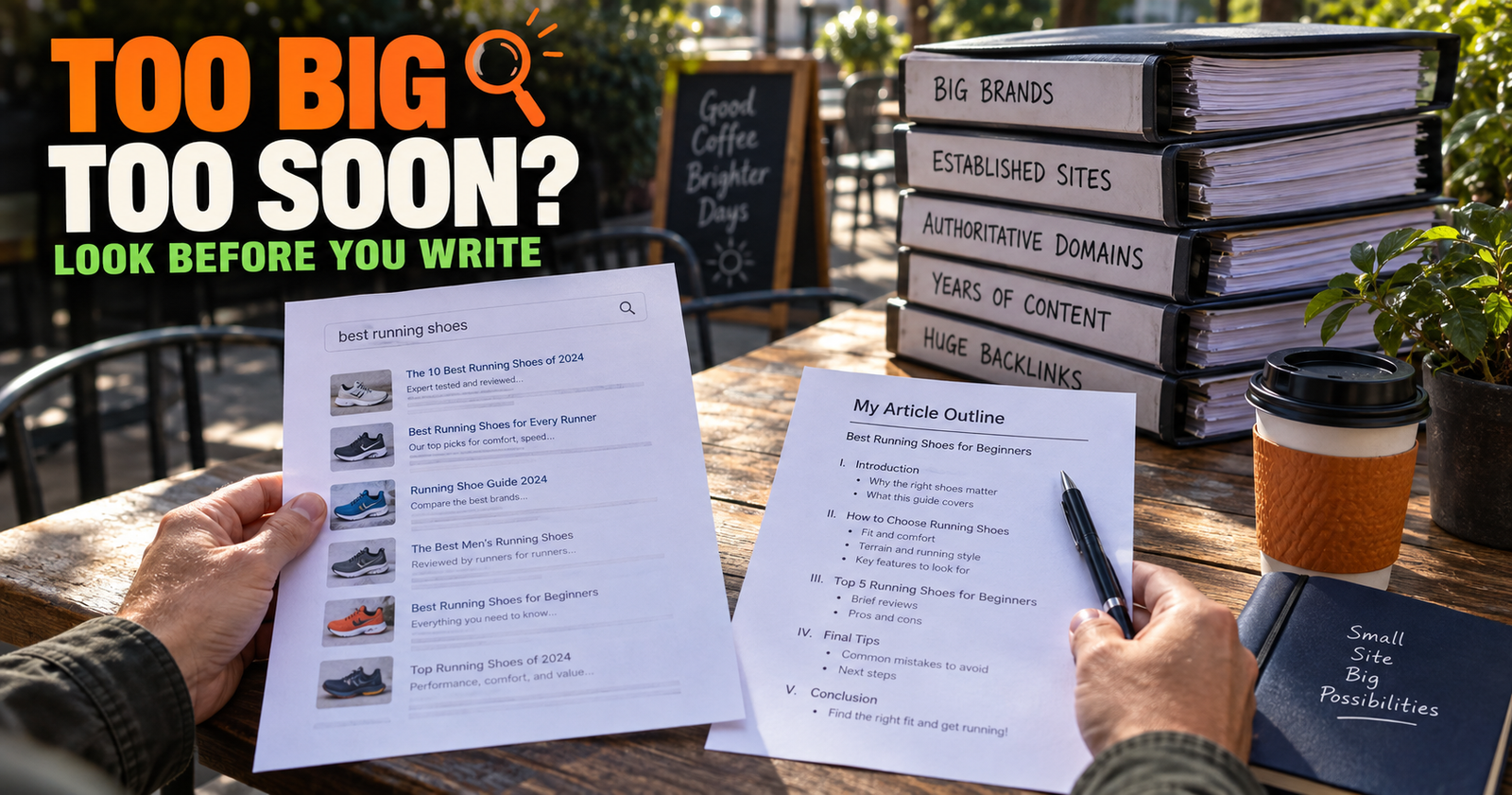
A keyword is too competitive for a new website when the current search results leave you no clear reason a searcher would choose your page over the pages already there.
That does not mean you should never try. It means you need to be honest about where a new site has its best chance to get started.
I do not like treating keyword competition as one number from an SEO tool. Those scores can be useful for organizing research, but they cannot see your knowledge, your page idea, the searcher’s real problem, or the weak spots in the results.
The results page can.
Start by Looking at Who Already Ranks
Search your potential keyword in Google and look at the first page.
If every result comes from giant brands, major publishers, government sites, or companies that have spent years building pages around that exact topic, it is probably a hard first target.
That does not mean those sites are unbeatable forever. It means a brand-new site should not make that phrase its whole plan.
For example, “SEO” is extremely broad and crowded. “How to find keywords for a small website without paying for tools” is much more specific. The second search gives a newer site a clearer chance to answer a real need.
Look for a Clear Gap You Can Fill
Do not only ask whether the top pages are strong. Ask whether they are useful in the exact way the searcher needs.
Maybe every result explains a subject with heavy jargon. Maybe they bury the answer. Maybe they are written for big companies while the searcher owns a tiny site. Maybe they all recommend expensive tools without helping someone start free.
That is your opportunity.
A new site should not try to be “the same page, but newer.” It should aim to be the page that makes more sense for a particular person.


Check Whether the Search Is Too Broad
Broad searches are usually more competitive because they can mean many things.
“Gardening tips” could mean vegetables, flowers, lawns, tools, pests, soil, indoor plants, or beginner advice. One article cannot fully satisfy every person who types that in.
A narrower search gives you a clearer job.
Instead of “gardening tips,” you might target “why are my tomato leaves curling after transplanting.” Instead of “SEO help,” you might target “website indexed but not ranking what to check first.”
Specific does not mean unimportant. It means the person searching is closer to a real problem.
Watch for a Search-Intent Mismatch
A keyword can look easy until you realize you are planning the wrong kind of page.
If the results are product comparisons, do not publish a general definition article. If the results are local businesses, do not expect a national how-to guide to fit. If the results are step-by-step tutorials, a thin list of tips is probably not enough.
Before choosing a keyword, make sure your page matches the kind of result people appear to want.

The guide on search intent in SEO explains this in more detail. A page can use the right keyword and still miss because it is doing the wrong job.
Signs a Keyword May Be a Good Early Target
A keyword may be worth targeting when you see a few encouraging signs.
- The search is specific and clearly describes a real problem.
- The results include smaller websites, forums, videos, or pages that are not especially useful.
- You can make a page with a clearer answer, better organization, or more practical help.
- The topic fits naturally into a group of related pages on your website.
- The searcher is the kind of person you actually want to reach.
- You can explain why your page deserves to exist without saying, “Because the keyword tool says it gets searches.”
The last one matters most.
Do Not Let Search Volume Make the Decision for You
High search volume sounds exciting, but it can lead a small site into a dead end.
A broad keyword may have huge search demand, weak intent, and impossible competition. A smaller search may have fewer estimated searches but bring in people who are ready for the exact answer you provide.
One useful page can rank for many related phrases, not just the keyword you started with.
That is why I would rather publish a focused page that helps a real person than chase an oversized phrase that makes no sense for a new site.
A Simple Competition Check Before You Write
Use this quick process.
- Search the phrase in Google.
- Read the first-page titles and see what type of pages rank.
- Ask what the searcher wants to accomplish.
- Look for weak, outdated, unclear, or incomplete results.
- Decide whether you can create something genuinely more helpful.
- Check whether the topic overlaps with a page you already have.
- If the topic is too broad, make it more specific instead of giving up.
For example, do not abandon “RV battery” because it is broad. Narrow it to the actual problem: “why does my RV battery die while plugged in” or “how do I know if my RV converter is charging the battery.” This RV converter charging guide shows how a focused article can address that specific charging problem.
Competition Is Not a Permanent No
A keyword can be too hard for your site today and still be worth pursuing later.
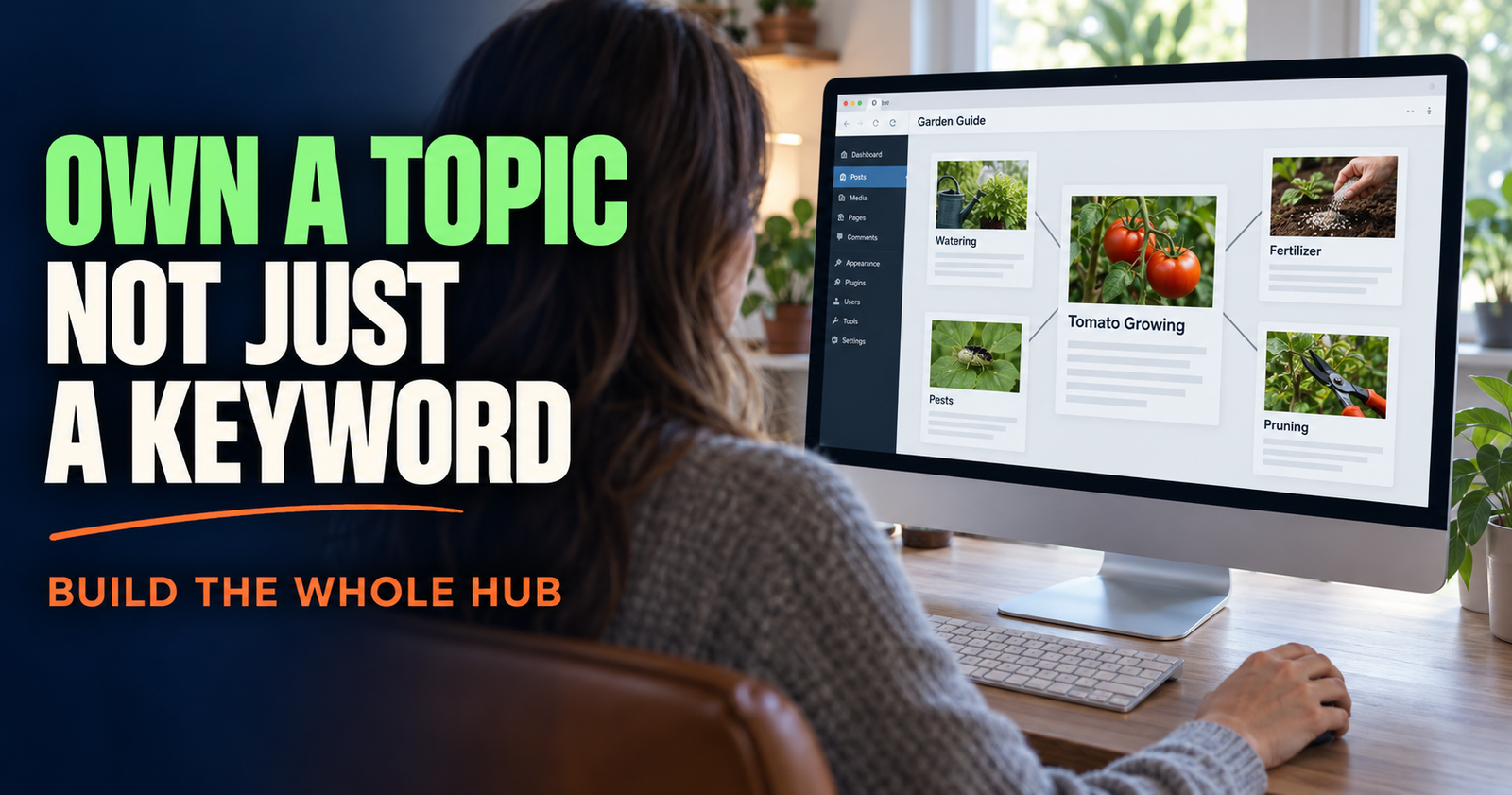
As you publish helpful supporting articles, improve old pages, build internal links, and give your site more depth depth, you create better conditions for competing on broader searches. This process is closely tied to creating site depth, which starts with serving a clear audience consistently.
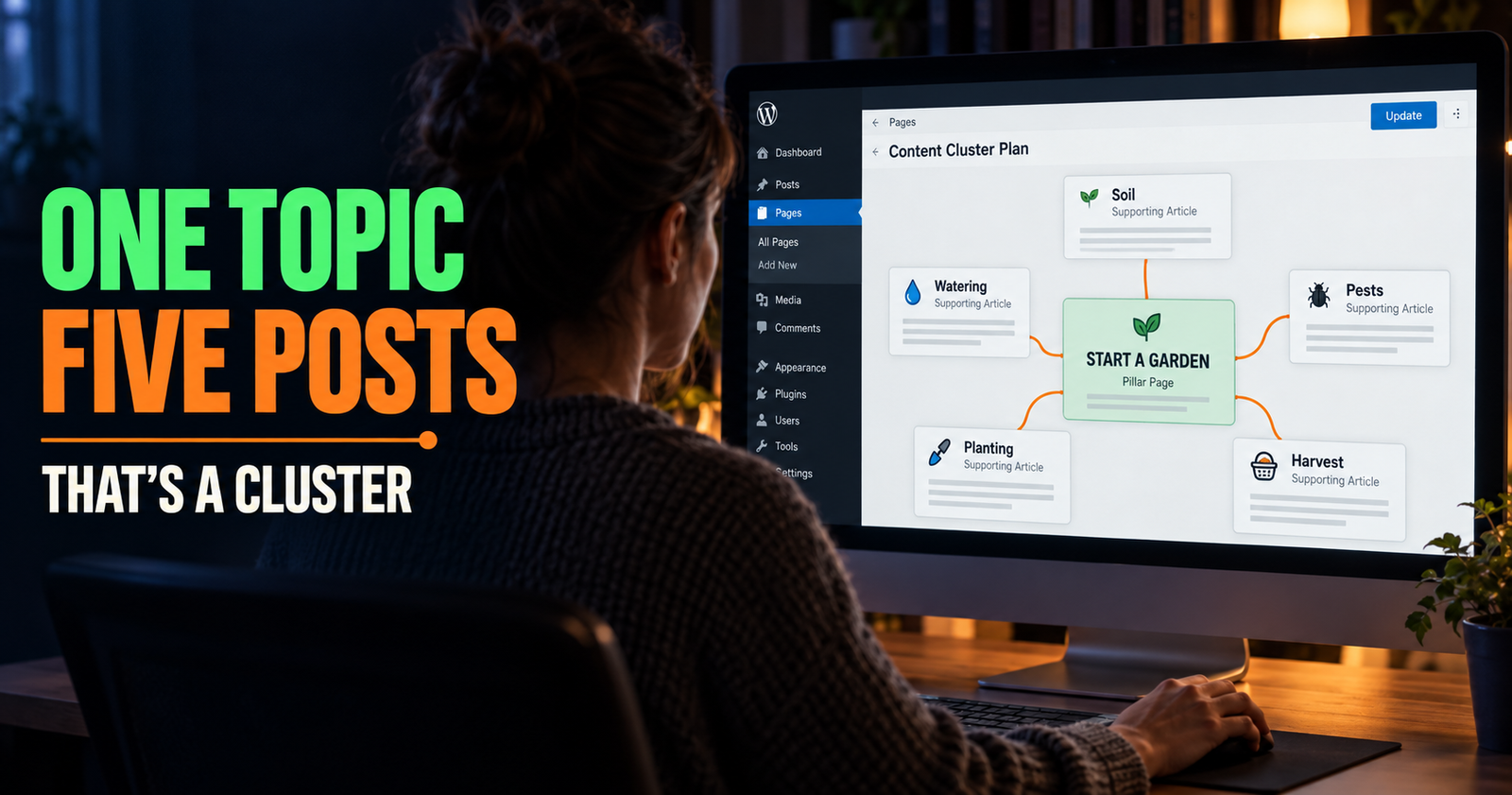
That is why a solid cluster matters. The page about finding keywords without paying for tools helps you discover specific opportunities. This article helps you choose which ones deserve your time first.
You do not need to win the biggest search in your niche to build a useful website. You need to start where you can give the clearest, most helpful answer, then keep building from there.
Alden Whitaker writes practical, plain-English SEO guides for Make It Found that help small website owners choose topics they can serve well instead of chasing impossible shortcuts.