

Internal link anchor text is simply the clickable words that lead someone from one page on your website to another.
It sounds like a tiny detail. It is not.
Those few words help a reader decide whether the next page is worth opening. They also give search engines useful context about what that destination page covers. On a small website, where every good internal link can help a page get discovered and understood, that context matters.
The best anchor text does not sound engineered. It sounds like something you would naturally say if you were pointing a person to another useful page.
For example, “learn how to find keywords without paying for tools” is more helpful than “click here.” It tells the reader what they will get before they click.
What makes anchor text good?
Good internal link anchor text does three things at once:
- It fits naturally into the sentence.
- It accurately describes the page it leads to.
- It gives the reader a real reason to continue.
That third part is where a lot of websites miss the mark. A link should not exist because you feel like you need more links. It should appear because the reader has reached a point where the next page genuinely helps them.
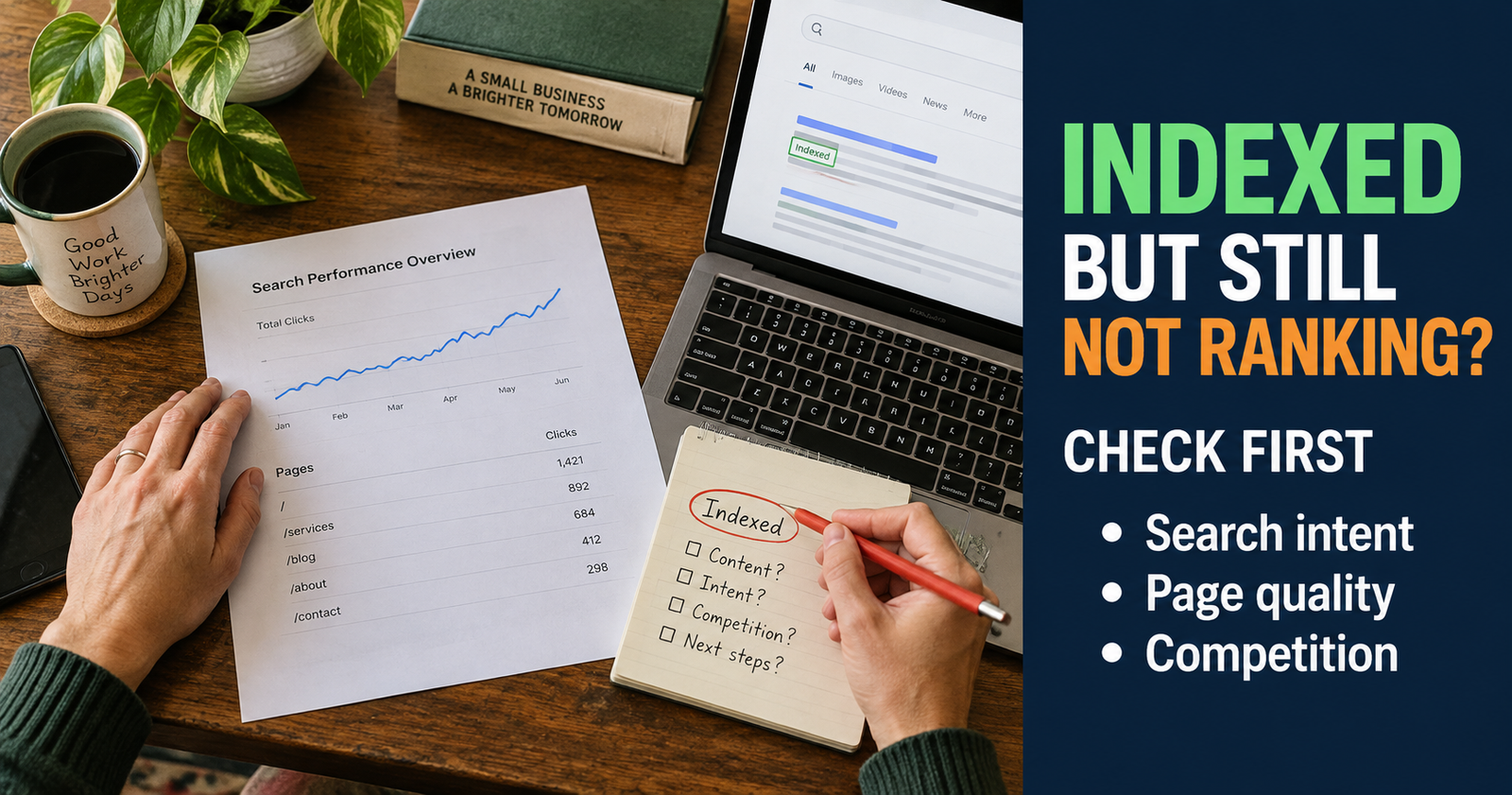
If you explain that a page is indexed but still not earning traffic, a natural next step is a guide on what to check when an indexed website is not ranking. That is useful sequencing, not forced SEO.
The easiest rule to remember
Write the sentence first.
Then look for the words already in that sentence that honestly describe the page you want to link to.
That is usually your anchor text.
You do not need to stop mid-paragraph and cram in an exact-match keyword. In fact, doing that often makes the writing worse.
Here is the difference:
Bad: “For more information about internal linking for SEO, read this internal linking for SEO guide.”
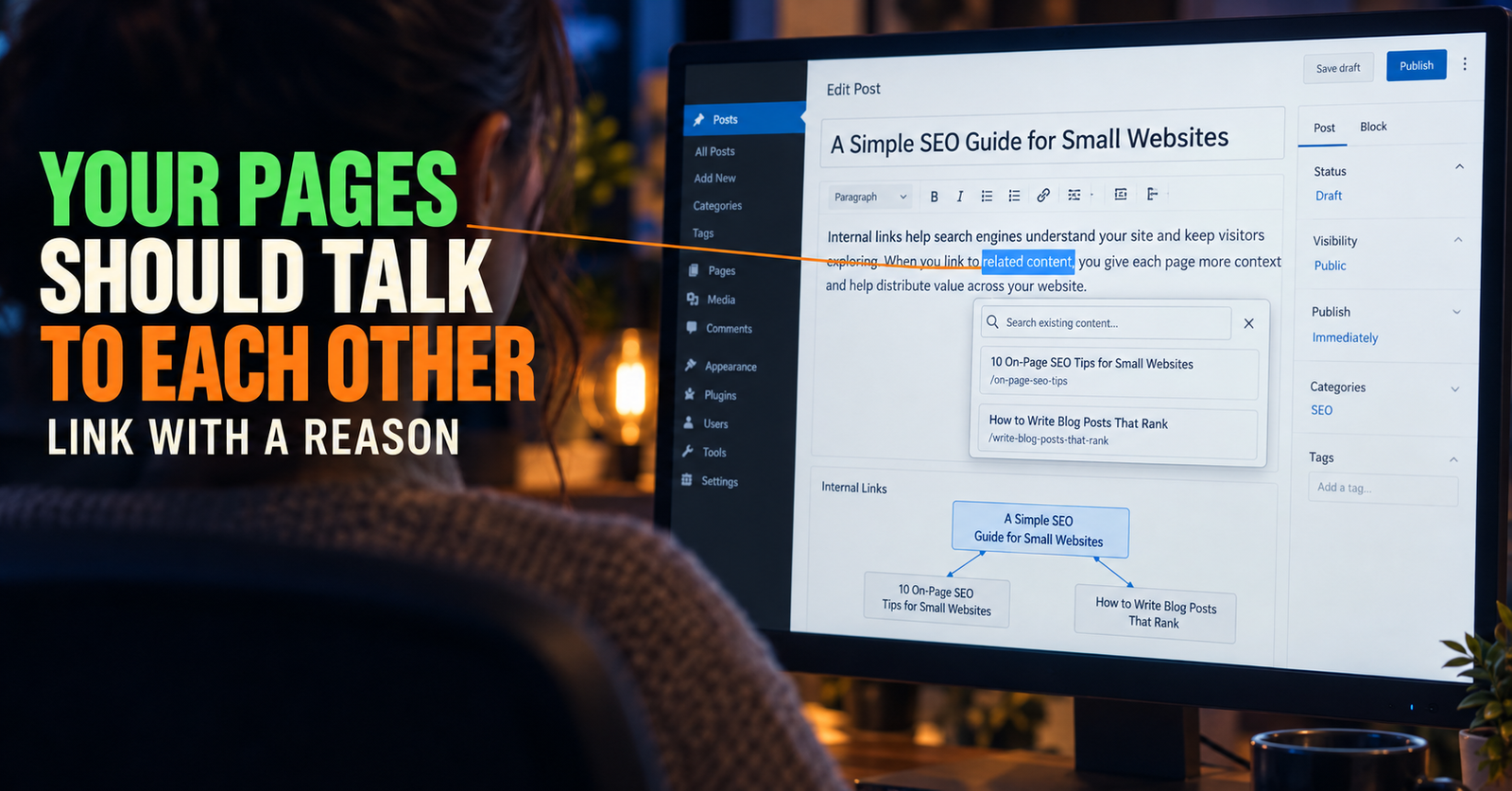
Better: “Once you have a few related articles published, learn how to use internal links on a small website so readers can move between them without getting lost.”
The second example is clearer because it sounds like a real recommendation.

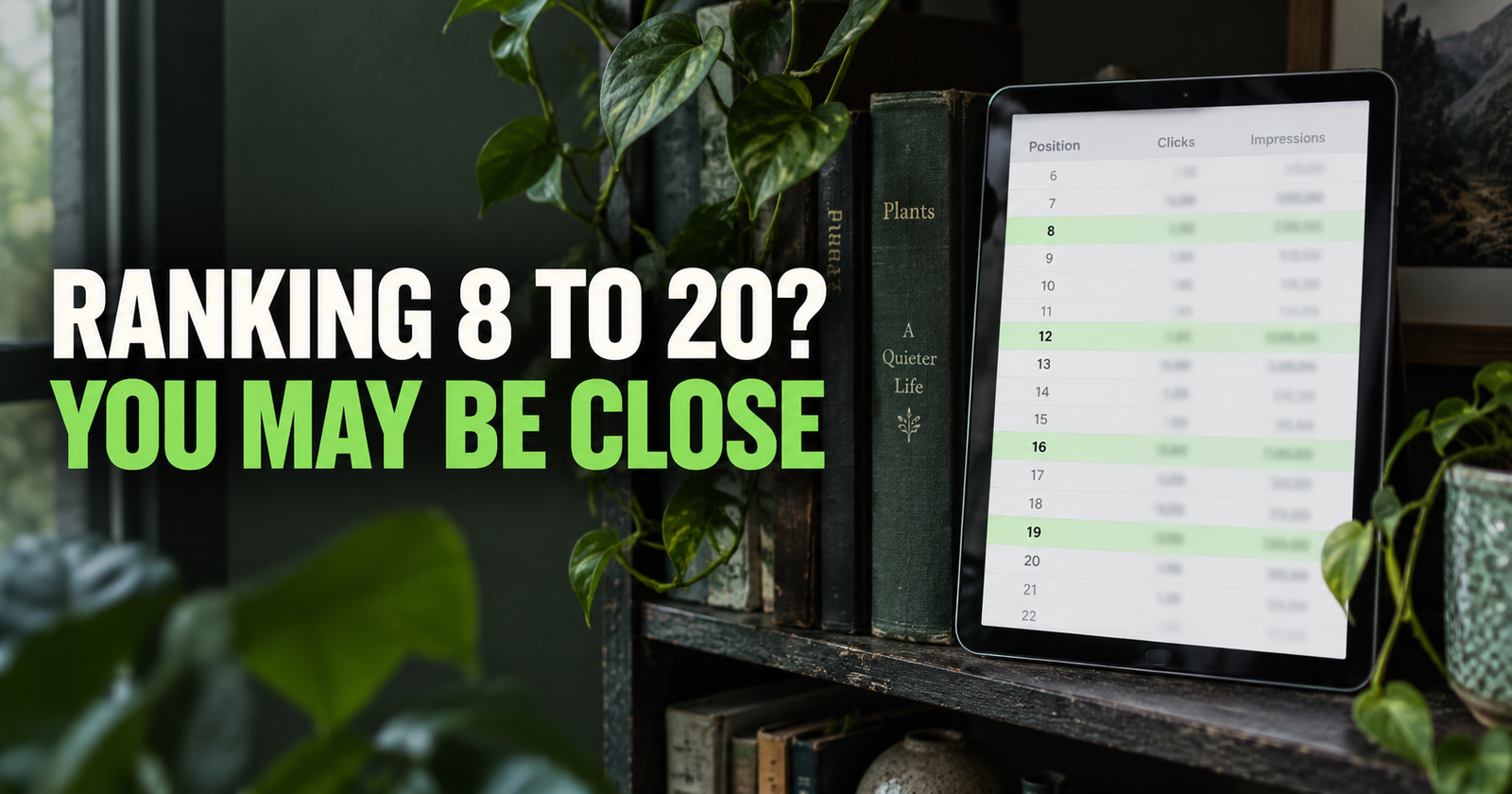
What anchor text should describe
Anchor text should describe the destination page, not the page where the link happens to appear.
That sounds obvious, but it is easy to get backward.

Imagine you are writing an article about publishing frequency. You mention that someone may need to decide whether an old post deserves a refresh before publishing another one. The link should describe the update-vs-new decision, such as whether to update old blog posts or write new ones.
It should not say “this article,” “more tips,” or “read here.”
A reader should be able to glance only at the linked words and have a good idea what waits on the other side.
You do not need exact-match keywords every time
Repeating the same exact phrase in every link is one of those SEO habits that looks tidy in a spreadsheet and awkward on a real website.
If five articles link to one page, their anchor text can vary as long as it stays accurate.
A page about search intent could be linked with phrases like:
- “understand what the searcher actually wants”
- “match your content to search intent”
- “learn why search intent matters”
- “figure out what kind of answer Google is showing”
Each phrase points toward the same subject from a slightly different angle. That is normal. People do not use the exact same wording every time they recommend something, and your site does not need to either.
The important part is accuracy. Do not link the words “free keyword research” to a page about technical SEO just because you want that page to receive another internal link.
Use specific words when they help the reader
Vague links create unnecessary work for the reader.
Compare these two sentences:
“You can learn more about this in our guide.”
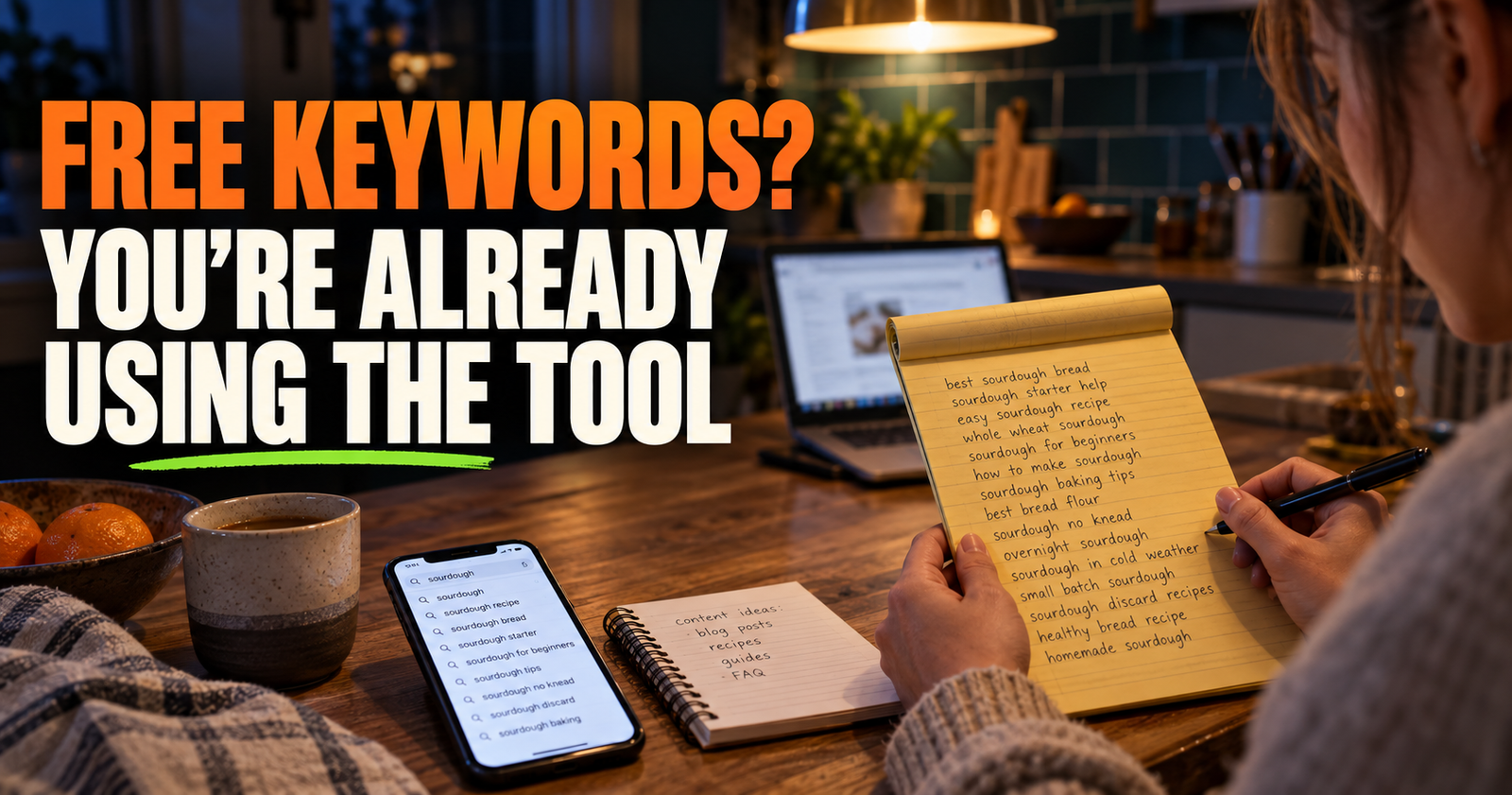
“You can use this free keyword research process for a small website before paying for another tool.”
The second sentence gives the reader enough information to decide whether the click is relevant. That is better for usability, and usability is a big part of sound SEO.
Specific does not mean stuffing every possible keyword into the link. It means choosing the clearest useful phrase.
Avoid making every link a full sentence
There is a point where descriptive becomes clunky.
This is too much:
“Read our complete beginner’s guide explaining exactly how to find low-competition keywords for a brand-new small business website without paying for expensive SEO software.”
A cleaner version might be:
“Start with low-cost keyword research for a new website.”
The reader still knows what the page offers. The paragraph can keep moving.
Where internal links belong naturally
The best places for internal links are usually where the reader has a likely next question.
That might be:
- Right after you introduce a concept that deserves a deeper explanation.
- After a step where the reader needs another process before they can continue.
- In a short example that points to a more complete guide.
- Near the end of a section when the next page solves the problem you just raised.
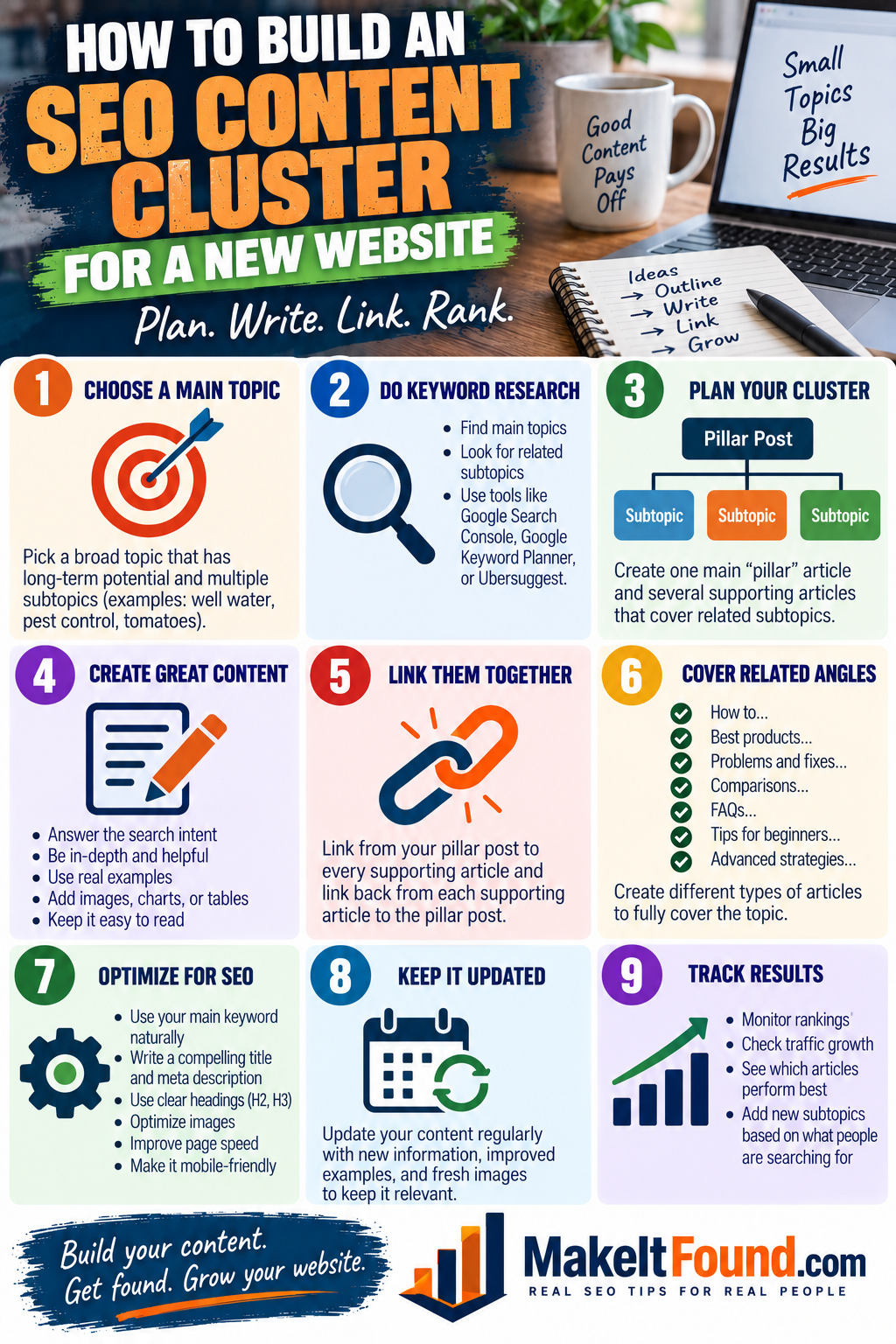
For example, a post about topical authority may naturally lead readers to building an SEO content cluster for a new website. The first article explains why a connected body of content matters. The second helps them actually organize it.
That is the kind of internal link that earns its place.
Do not stack links together just to add more links
A paragraph with three or four internal links can feel like a detour sign covered in stickers.
Readers often skip it. It can also make it harder to see which link matters most.
Spread links through the article. Give each one room to do its job.
If two pages are both useful, mention one where it best fits and save the other for the next logical point. A good internal linking structure feels like a helpful guide walking beside the reader, not someone grabbing their sleeve every few sentences.

Anchor text mistakes that make a site feel sloppy
“Click here” and “read more”
These phrases tell the reader nothing about the destination. They are not always disastrous, but they waste a chance to add clarity.
Linking an entire long sentence
A giant blue block of text is hard to scan. Link the meaningful phrase, not every word around it.
Using misleading wording
If the link says “how to fix broken links,” it should take the reader to a page that helps fix broken links. This sounds basic, but mismatched links quietly damage trust.
Repeating the same anchor text everywhere
Variation is natural. Accuracy is what matters.
Adding links before the article has earned them
Do not open an article with a pile of links. Answer the reader’s immediate question first. Then point them toward the next helpful page when it makes sense.
A simple anchor-text review before publishing
Before you publish, review every internal link with these questions:
- Does the linked phrase tell the reader what the destination page is about?
- Would this sentence still sound normal if the link were not clickable?
- Does the destination page actually help at this exact point in the article?
- Is this link too close to another internal link that does nearly the same job?
- Have I linked a useful related page without interrupting the article’s flow?
This is also why internal-link review gets harder as a site grows. You are no longer checking one post in isolation. You are checking how dozens of pages connect, overlap, and support each other.
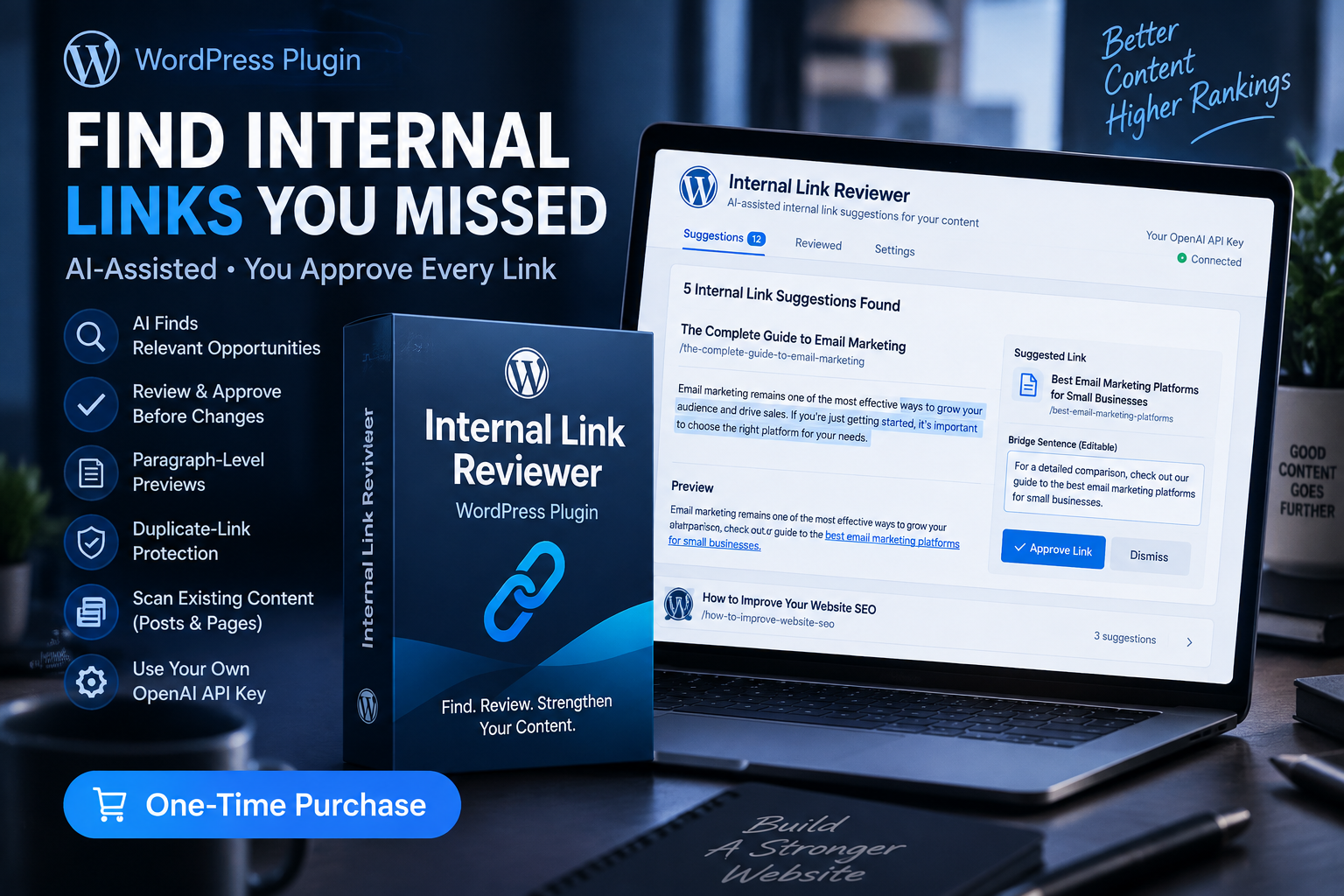
If you want a WordPress-based way to review those connections, the Internal Link Reviewer plugin is built to surface contextual internal-link opportunities for you to review manually. The decision still belongs to you, which is exactly how it should be.
Anchor text is part of your site’s navigation language
The deeper value of good anchor text is not just a possible SEO lift.
It teaches readers how your website is organized.
When people repeatedly see clear links to keyword research, search intent, content clusters, indexing, and internal linking, they start to understand what your site can help them solve. That makes a small site feel more useful, more connected, and easier to trust.
Your internal links should not feel like an SEO trick. They should feel like good directions.
Frequently asked questions about internal link anchor text
How many words should internal link anchor text be?
There is no magic number. Use enough words to accurately describe the destination, usually a short phrase rather than one vague word or a whole paragraph.
Can I use the same anchor text more than once?
Yes. If the same wording is genuinely the clearest description, reuse is fine. Just do not force identical wording into every article when natural variations would read better.
Should I link every mention of a topic?
No. Link the mention that best helps the reader move forward. Repeatedly linking the same phrase in one article can make the page harder to read.
Is internal anchor text more important than external anchor text?
They do different jobs. Internal anchor text is fully under your control and helps connect your own pages. That makes it one of the most practical improvements a small website owner can make without waiting on anyone else.
Alden Whitaker writes practical, plain-English SEO guides for Make It Found that help small website owners make smarter content decisions without getting lost in agency jargon.