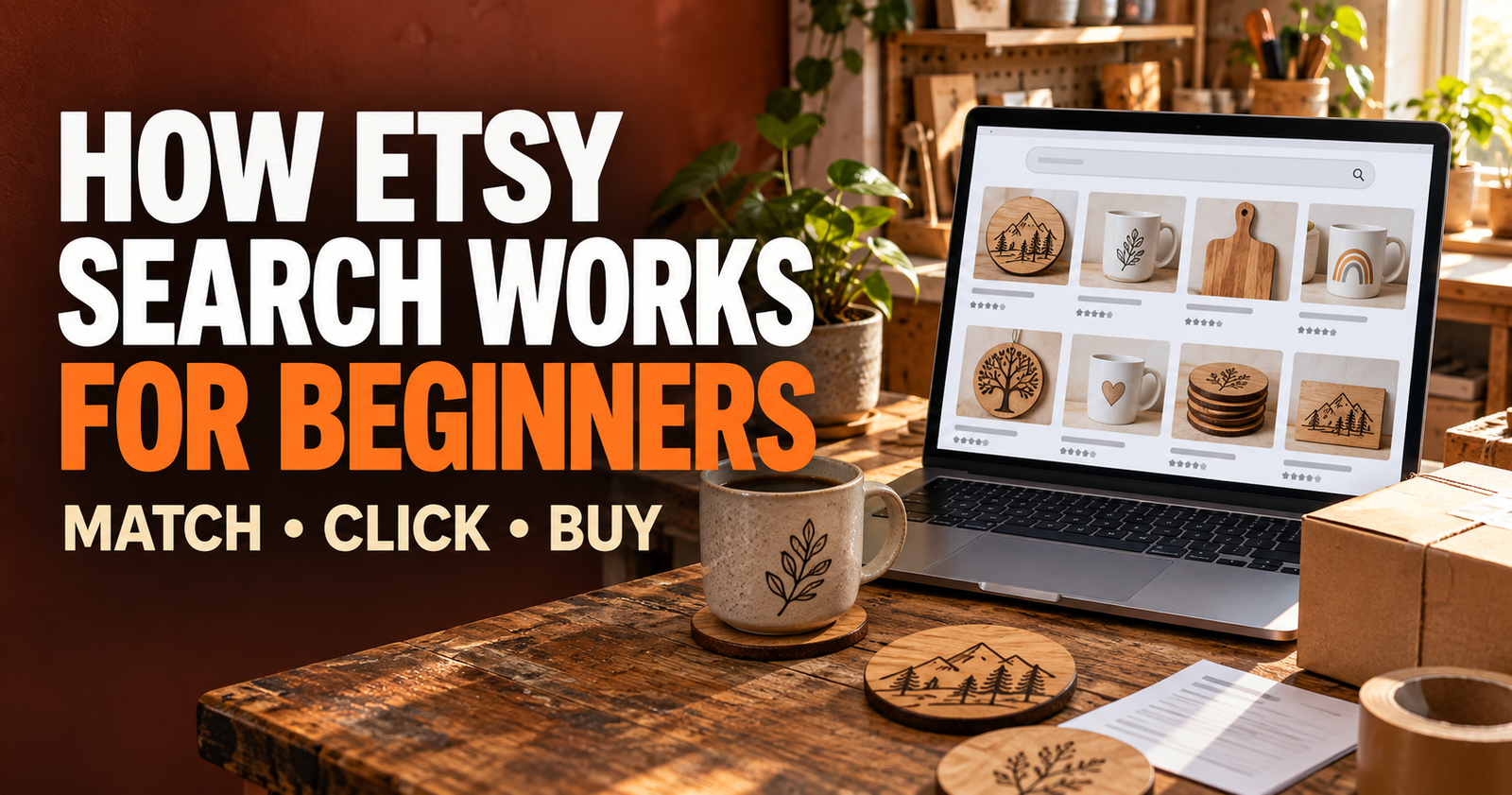
When I hear someone say their Etsy listing needs “better SEO,” I usually want to slow the conversation down for a second.
SEO matters on Etsy, but it is not just a title full of keywords or thirteen tags copied from a competitor. Etsy has to first understand what you sell and which searches your listing matches. Then it has to decide whether your item looks like a good result for a real shopper.
That means your words matter, but so do your photos, price, shop setup, listing details, customer service, and whether shoppers actually respond well after Etsy shows them your item.
This is good news for newer sellers. You do not need a secret trick that nobody else knows. You need a listing that accurately explains the item, gives shoppers enough confidence to click, and makes it easy for Etsy to connect the right person with it.
Etsy Search Happens in Two Main Stages
The simplest way to understand Etsy search is to split it into two jobs.
The first job is query matching. A shopper types something like “custom family name sign,” “digital budget planner,” or “funny dog mom shirt.” Etsy looks through listings that may fit those words and that product idea.
The second job is ranking. Etsy has many listings that could match the phrase, so it has to decide which results are most likely to make the shopper happy enough to click, favorite, or buy.
This is why a listing can have good tags and still struggle. Your tags may help Etsy find your listing, but ranking is where listing quality and buyer confidence become important.
I think of it like a local craft fair. The seller table has to be in the right aisle first. Then the item has to look clear, appealing, trustworthy, and worth stopping for.
What Helps Etsy Match Your Listing to a Search
Etsy looks at the full listing, not one isolated field.
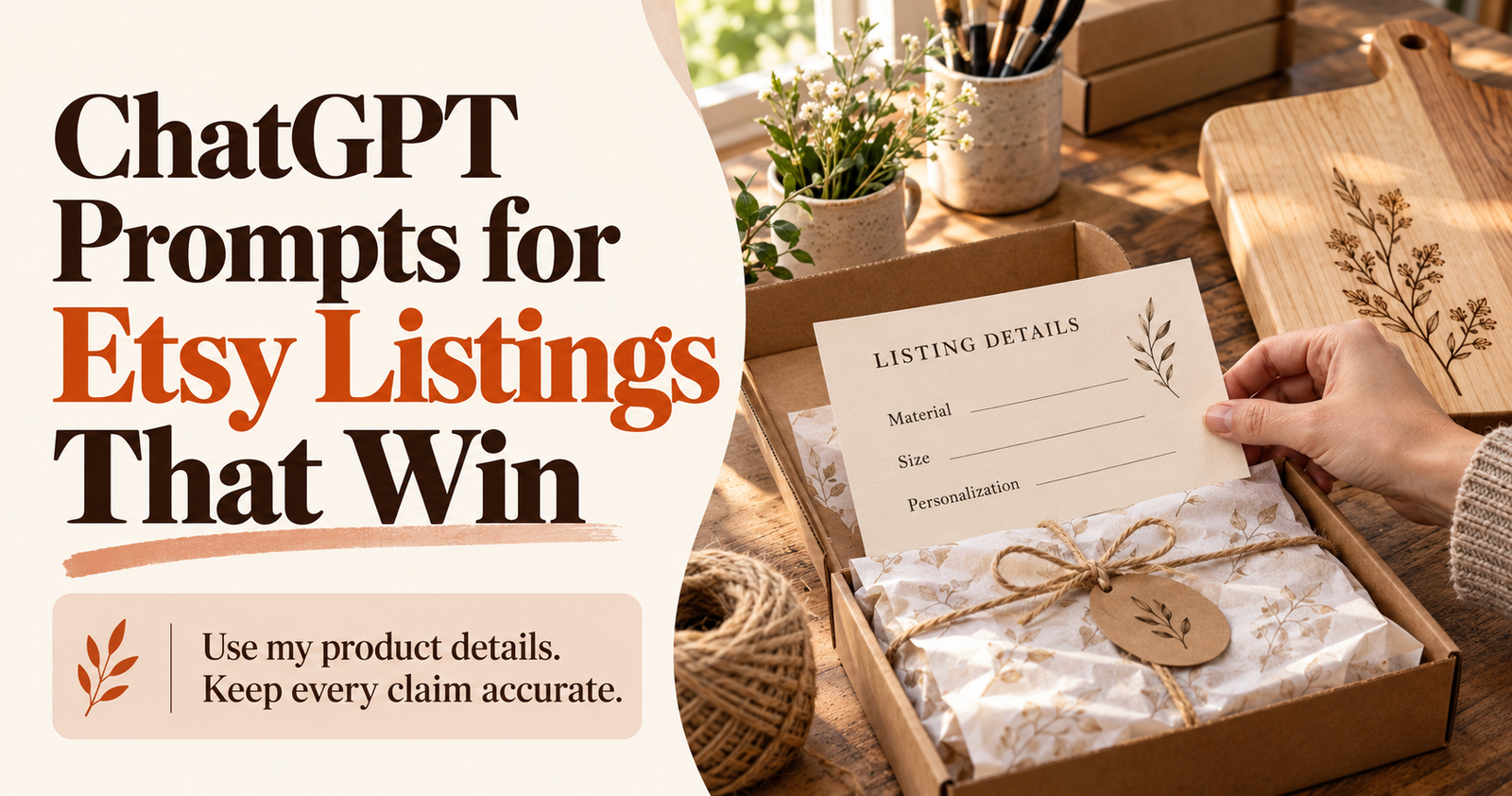
Your title, tags, category, attributes, description, first photo, reviews, and other listing information can all help Etsy understand what you are offering. The goal is not to repeat one phrase everywhere until the listing sounds robotic. The goal is to describe the item clearly and accurately. When you are ready to write that copy, these prompts for clearer Etsy listing copy can help organize the facts without turning the listing into keyword-stuffed text.
If you sell a printable chore chart for kids, your listing should make that easy to understand. A shopper may search for printable chore chart, kids chore chart, editable chore chart, reward chart, or family responsibility chart. You do not need to cram every possible phrase into one unreadable title, but you do need to use the language that real buyers would use.
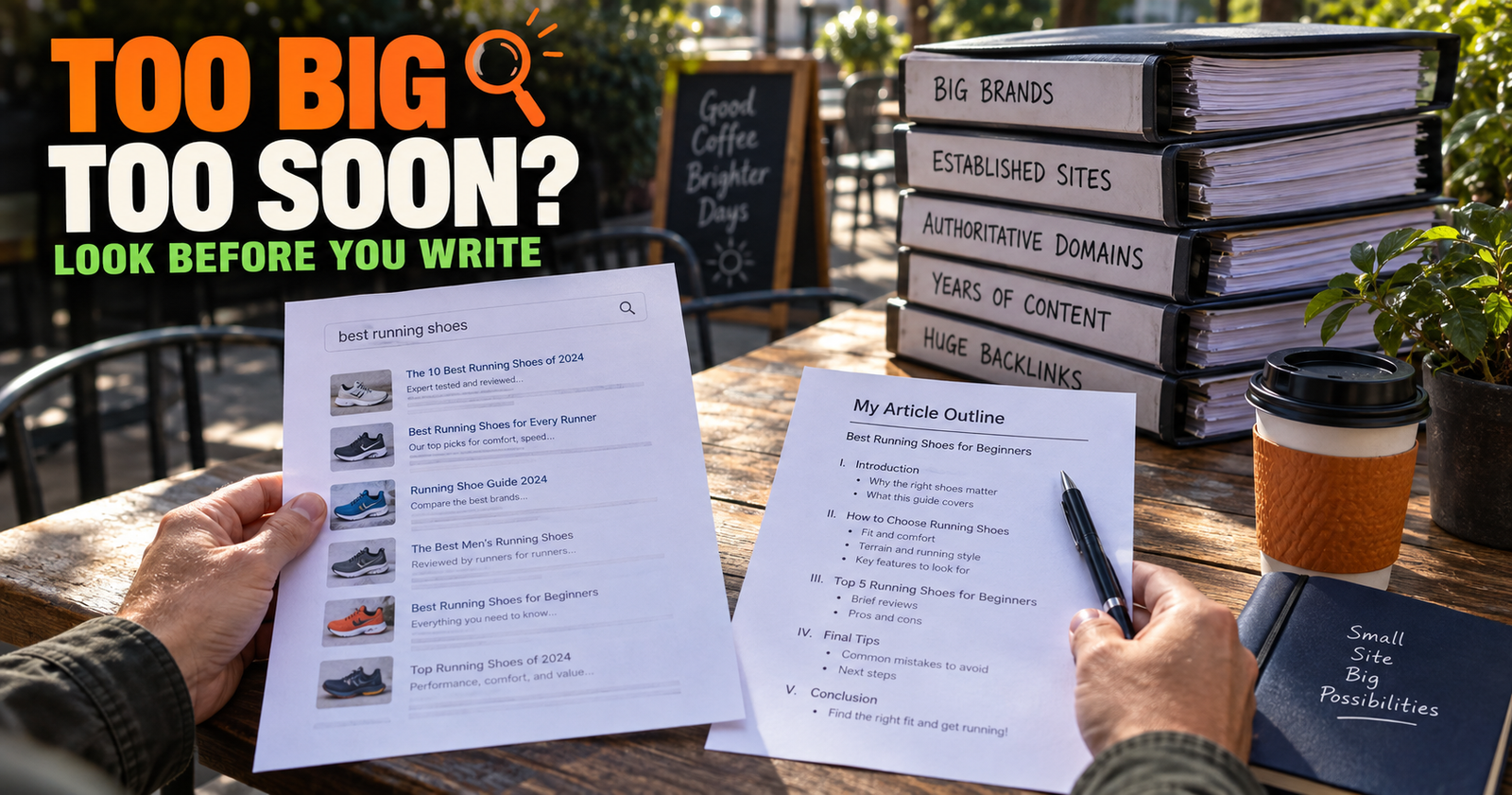
This is the same idea behind search intent in regular website SEO. The best keyword is not simply the most popular phrase. It is the phrase that matches what the shopper is actually trying to find.

Titles Help, but They Are Not the Entire Listing
A good Etsy title tells both Etsy and the shopper what the item is without sounding like a pile of search terms.
I would start with the clearest, most important description of the product. Then I would add the details that make the item easier to match and easier to buy.
For example, this is weak:
“Gift Cute Gift Best Gift Personalized Gift Gift for Her Gift Idea”
It does not tell anyone what the product actually is.
This is clearer:
“Personalized Dog Memorial Ornament, Custom Pet Loss Gift, Christmas Keepsake”
The second title gives Etsy a real product type, a purpose, and a few natural ways a shopper might search.
The title does not have to read like a sentence from a novel. It does need to be understandable. A buyer should not have to decode it before deciding whether to click.
Tags Give Etsy More Ways to Understand the Item
Tags are not a place to repeat your title word for word.
I look at them as extra doors into the same listing. Each tag should be relevant, but together they should cover different ways a buyer may describe the item.
For a digital weekly meal planner, tags might cover the product format, the use case, and the shopper’s goal. Think in phrases, not random individual words.
Good tag choices tend to be:
- Specific to the item.
- Written in the words a buyer might actually search.
- Different enough from one another to cover more relevant searches.
- Honest about what the buyer receives.
- Connected to the correct category and attributes.
Bad tag choices are usually vague, unrelated, overly trendy, or based on words that have nothing to do with the actual product. A tag may bring someone to your listing once, but if they immediately realize the item is not what they wanted, that does not help your shop.
The next article in this cluster should go much deeper into finding those phrases without paying for another keyword subscription.



Categories and Attributes Do More Work Than Sellers Realize
Choosing the most specific category is not busywork. It helps Etsy understand where the item belongs and what types of searches may fit it.
Attributes matter for the same reason. Color, material, occasion, style, recipient, size, and other relevant listing details can help Etsy match a product to more precise searches.
A seller who lists a handmade leather wallet under a broad gift category leaves useful context on the table. A seller who uses the closest wallet category and fills in relevant attributes gives Etsy a clearer picture of the product.
I would not force attributes that do not fit. Accuracy matters more than filling every box just because it exists. But when Etsy gives you a relevant option, it is usually worth using.
Your First Photo Helps Decide Whether People Click
A shopper cannot inspect your item through the screen. Your first photo has to do a lot of work fast. Strong photos are one part of the broader Etsy shop success essentials, which also includes customer service and clear descriptions.
It should make the product obvious at a glance. If it is personalized, show what personalization looks like. If it is digital, show the actual pages or files in a clean, easy-to-understand way. If size matters, include a picture that gives the shopper a sense of scale somewhere in the listing.
A pretty photo that hides the product’s purpose is not enough.
I have seen listings where the seller did the keyword work but used a first photo so dark, cluttered, tiny, or confusing that the buyer had no reason to click. Etsy can show your listing, but it cannot make people interested in it.
The first image is not an SEO field in the old-fashioned sense. It is a conversion field. And conversion affects what happens after Etsy gives you visibility.
Listing Quality Is Really About Buyer Response
Etsy wants shoppers to find things they are likely to purchase. If a listing appears in search and people click, favorite it, or buy, those actions signal that the item may be a useful result.
That does not mean one sale suddenly puts a listing at the top. It means Etsy has a reason to pay attention to how shoppers respond.
This is why the full listing matters:
- Photos need to make the item clear.
- The title needs to match the product.
- The description needs to answer basic questions.
- Pricing needs to make sense for the offer.
- Variations need to be understandable.
- Shipping and processing information need to set accurate expectations.
- The listing needs to deliver what its words and photos promised.
A listing with a strong keyword but weak product presentation may get impressions and still not earn enough clicks or sales. That is not a keyword failure. It is a shopper-confidence problem.
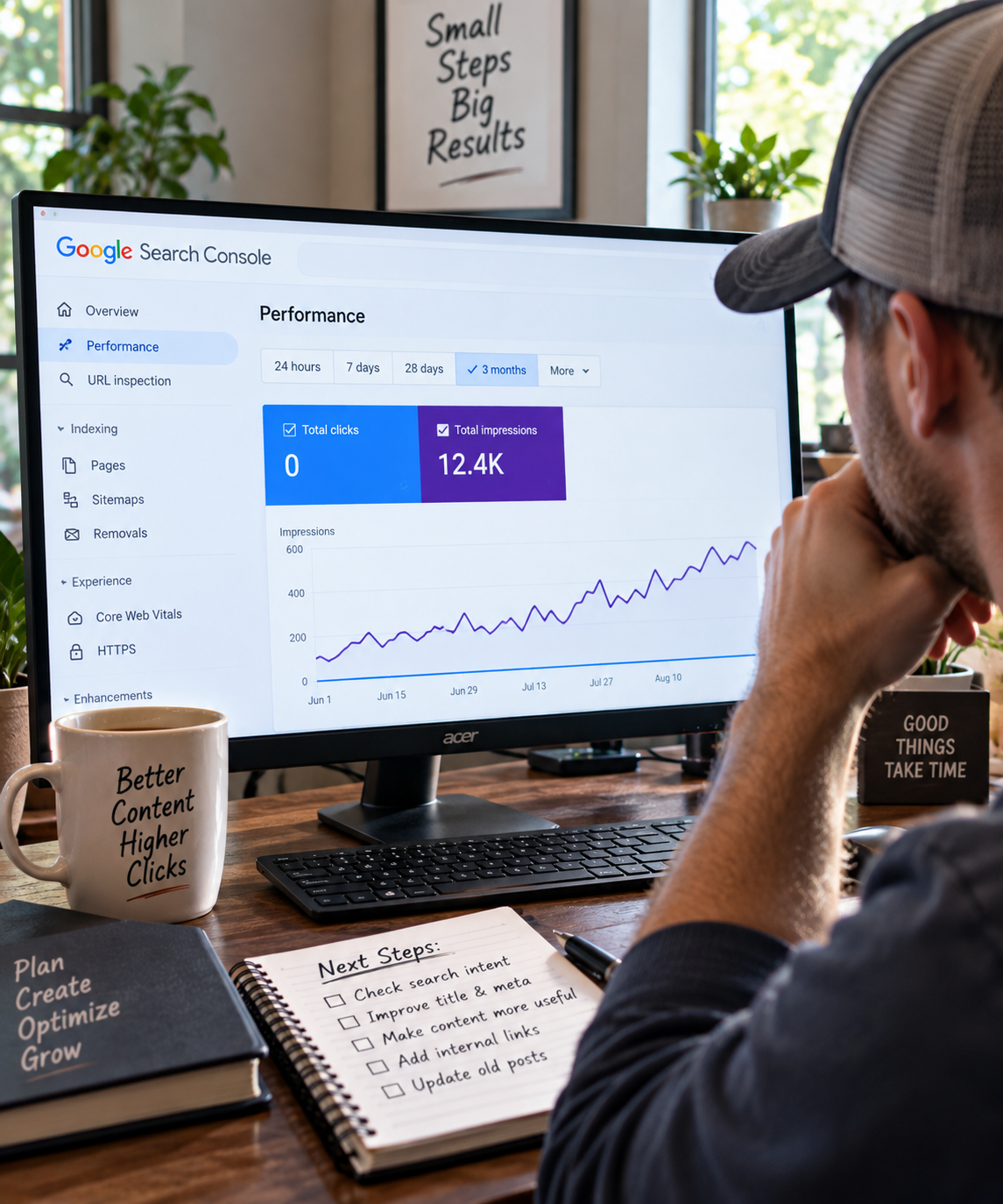
The same pattern happens on websites too. A page can receive impressions without clicks when the search result does not make the value clear. Why a website can have impressions but no clicks explains that side of the problem.
Your Shop and Customer Service Affect Visibility Too
Etsy is not only trying to show the right item. It is trying to protect the buyer experience across the marketplace.
That is why shop quality and customer service matter. Etsy’s current guidance says ranking considers signals such as a shop’s review rating, message response rate, and case rate over the prior three months. etsy.com
For a new shop, this should not feel discouraging. New listings can still appear in search. You do not need years of reviews before Etsy will show your products.
What you do need is a shop that looks legitimate and ready for a buyer.
That means completing the basic setup, using a recognizable shop icon, writing clear policies, responding to messages, setting honest processing times, and solving problems instead of ignoring them.
I would never try to game this. A good shop experience is not just a ranking tactic. It is part of making sure the person who trusted you with their money would buy from you again.

Etsy Personalizes What Shoppers See
One reason sellers get frustrated is that they search for their own item and do not see it where they expected.
That test is not very reliable.
Etsy personalizes results based on what it believes individual shoppers are likely to want. Device, location, buyer habits, the words used in the search, and the listings a person has interacted with can all change what appears.
Your search results are only one version of Etsy search, not the universal ranking everybody sees.
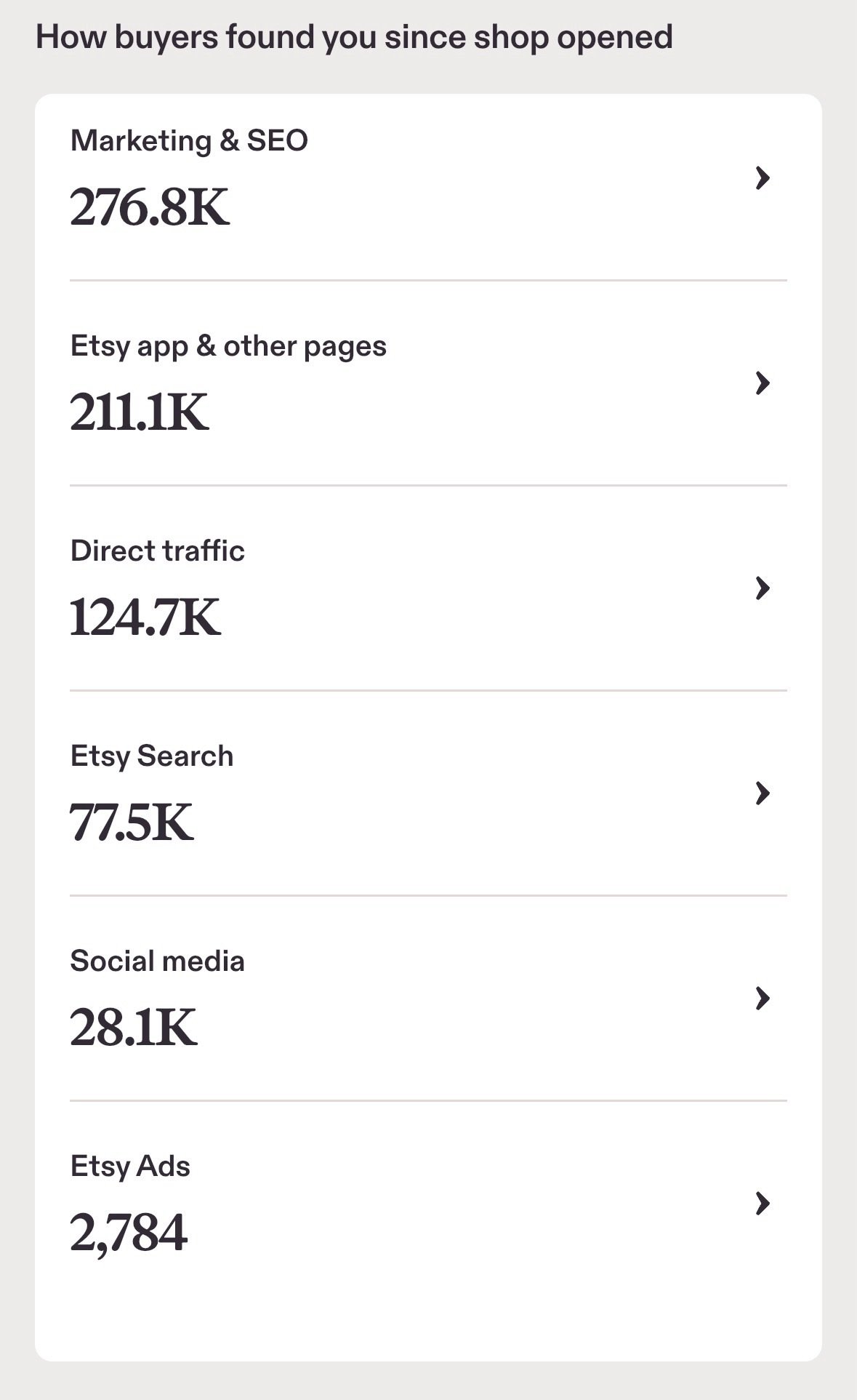
Instead of manually searching your own titles over and over, look at your Shop Stats. Pay attention to the search terms actually bringing people into your shop and the listings receiving traffic from Etsy search.
Those are real clues. They show what Etsy has already connected to your listing.
A New Listing May Get a Small Temporary Test
New listings can receive a short boost while Etsy gathers information about how shoppers react to them. Renewed listings can receive a smaller version of that boost.
This is where a lot of bad Etsy advice starts.
Renewing a listing can make it feel like something happened because you may see a little activity afterward. But Etsy has said that constantly renewing items just for that temporary lift is not an effective long-term search strategy. Improving relevance and conversion is the better use of your effort. etsy.com
I would use renewal when it makes sense for your product or inventory, not as a daily ranking ritual.
If a listing does not get traction, first check whether the shopper can clearly understand it, whether the search phrases are relevant, whether the photos are strong, and whether the price and offer make sense next to similar listings.
Do Not Change Everything at Once
When a listing struggles, it is tempting to redo the title, all tags, every photo, the price, description, category, and shipping profile in one late-night session.
I understand the urge, but it makes it hard to know what improved anything.
I prefer a calmer process:
- Check whether the listing is getting Etsy search views at all.
- Look at the search phrases and decide whether they are relevant.
- Fix the biggest mismatch first.
- Give the change time to gather new data.
- Check whether clicks, favorites, or sales improve.
If the title does not clearly say what the product is, fix the title. If the listing gets views but nobody clicks, review the first image. If people click but do not buy, look at photos, price, description, shipping, and the overall offer.
That is a much better way to work than throwing random changes at every listing.
What to Check When Your Etsy Listing Is Not Showing Up
If an item seems invisible, I would start with the plain basics before assuming Etsy has punished the shop.
Check whether the listing is active, properly categorized, and complete. Make sure it is not expired, deactivated, sold out, or missing details that make it harder to match with searches.
Then look at the listing from a buyer’s point of view. Can someone tell exactly what it is from the title and first image? Are the tags relevant? Did you pick the most specific category? Are the attributes accurate?
After that, check Shop Stats and the Search Visibility page in Shop Manager. Etsy provides personalized guidance there around shop, listing, and customer-service quality. That is far more useful than relying only on a generic Etsy SEO checklist.
The Etsy SEO Work That Is Worth Your Time
I would put my effort into the things that make the listing easier to find and easier to trust.
That means researching real buyer wording, writing clear titles, using varied relevant tags, selecting accurate categories and attributes, taking better photos, and making the offer easy to understand.
It also means taking customer service seriously. A shop that ships on time, answers messages, and resolves buyer problems is building something more durable than a one-time traffic spike.
Etsy search changes over time, just like Google search. The durable part is this: make the item accurately match the search, then make the shopper glad they clicked.
That is where real Etsy visibility starts.
Alden Whitaker writes practical, plain-English SEO guides for Make It Found that help small website owners, creators, and sellers make smarter content decisions without getting lost in agency jargon.